What Are Leaf Blowers Used For?
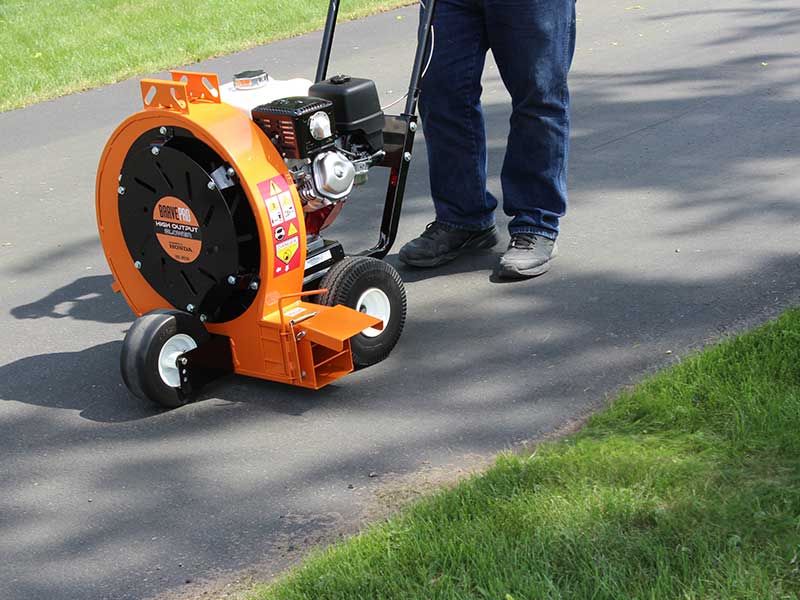
Leaf blowers use a directed stream of air to move leaves and loose surface debris. They help organize cleanup by moving scattered material toward a collection point, but blowing alone does not remove debris from the property.
Moving Fallen Leaves into Collection Areas
A blower can move dry leaves across lawns and hard surfaces toward a pile or collection area. Workload depends on leaf depth, moisture, surface conditions, and the distance the material needs to travel. Deep or matted accumulations may require several passes or a combination of blowing and raking.
Clearing Grass Clippings and Loose Debris
Blowers can help clear loose clippings left after using lawn mowers or string trimmers. Direct material back onto an appropriate part of the property rather than into streets, drains, or neighboring areas. A blower moves loose debris; it does not wash away embedded dirt or surface stains.
Leaf Blowers vs. Rakes and Leaf Plows
Rakes provide direct control when gathering small piles or working around delicate planting areas. Blowers can reduce repeated raking when moving scattered leaves across larger spaces. For a different approach to moving accumulated leaves, compare leaf plows and their equipment compatibility requirements.
Types of Leaf Blowers: Handheld, Backpack, and Walk-Behind
Leaf blower formats differ in how the operator carries or moves the machine. Understanding these general categories helps you compare the handling and specifications of individual products listed above.
Handheld Leaf Blowers
Handheld blowers are carried by a handle and directed with the operator's arm. Their format can be convenient for moving between small cleanup areas and working around obstacles. Compare operating weight and balance, since the operator supports the machine throughout use.
Backpack Leaf Blowers
Backpack blowers carry the power unit on the operator's back while a tube directs airflow. This arrangement shifts much of the equipment weight away from the arm, although the operator still carries the machine. Fit, operating weight, and control placement matter when evaluating comfort.
Walk-Behind Leaf Blowers
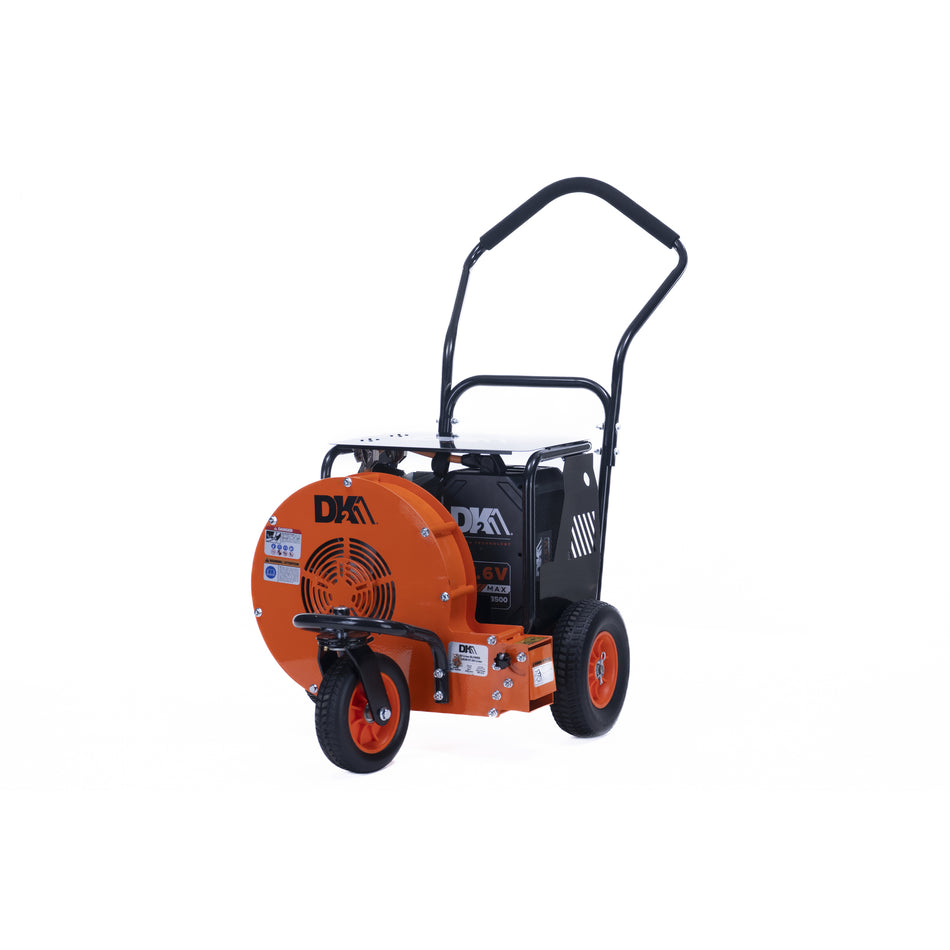
Walk-behind blowers carry the machine on wheels, reducing the need to support its full weight while working. Consider turning space, ground conditions, storage dimensions, and how easily the machine can move between cleanup areas. Wheels alone do not establish suitability for steep slopes or rough terrain; follow the model's operating limits.
Gas vs. Battery vs. Corded Electric Leaf Blowers
Power source affects operating range, replenishing energy, and maintenance. These are category comparisons rather than a statement that every power source is available in this collection; verify each listed product's configuration.
Gas Leaf Blowers
Gas-powered blowers operate without an electrical cord or battery charging connection during use. They require the fuel and engine service specified by the manufacturer. Check the manual for fuel requirements rather than assuming every engine uses the same gasoline or oil arrangement.
Battery Leaf Blowers
Battery-powered blowers use rechargeable batteries and do not produce engine exhaust at the point of operation. Runtime depends on the blower, battery, power setting, and workload. When evaluating a battery model, confirm compatible batteries, charger requirements, and exactly what the purchase includes.
Corded Electric Leaf Blowers
Corded electric blowers require a suitable electrical supply and an appropriately rated outdoor extension cord. Their working area is limited by safe cord reach and access to power. Compare the manufacturer's electrical requirements and consider whether obstacles would make cord management inconvenient.
Choosing a Power Source for Your Cleanup Routine
Consider where the blower will operate, how long typical jobs last, and how you will refuel or recharge between sessions. Compare actual performance and operating requirements rather than treating power source alone as a measure of capability.
How to Choose a Leaf Blower for Your Property
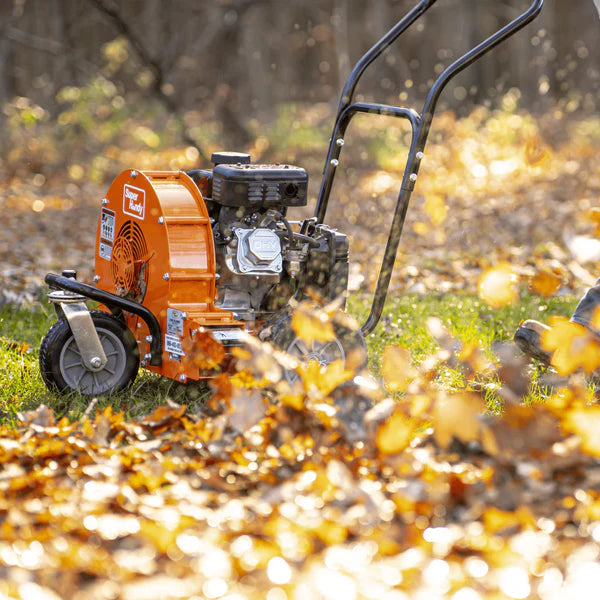
The right leaf blower fits both the cleanup workload and the space where it will operate. Property size matters, but leaf volume, obstacles, terrain, and handling requirements can be equally important.
Match the Machine to Leaf Volume and Cleanup Frequency
A property with several mature trees can generate more cleanup work than a larger property with few trees. Consider how quickly leaves accumulate and whether you clear them regularly or wait until a thick layer develops. Frequent light cleanup and occasional heavy cleanup place different demands on equipment.
Consider Lawns, Pavement, and Planted Areas
Leaves move differently across smooth pavement, grass, gravel, and mulch. Greater airflow is not always helpful near loose landscaping material or delicate plants. Choose equipment you can control effectively in the areas you maintain.
Account for Obstacles, Terrain, and Access
Gates, steps, narrow paths, and closely spaced plantings influence which blower format is practical. For wheeled equipment, consider route width and surface conditions. For carried equipment, consider the weight you can comfortably manage while moving through the property.
Separate Leaf Cleanup from Vegetation Clearing
A blower moves loose material; it does not cut standing weeds, woody growth, or tangled vegetation. Where the underlying job is clearing overgrowth, compare suitable brush cutters before planning debris cleanup. Matching the equipment to the task avoids expecting airflow to perform cutting work.
Leaf Blower CFM vs. MPH: Understanding Performance
CFM and MPH describe different aspects of blower output. Read them together and check how the manufacturer measured them before comparing machines.
What Does CFM Mean on a Leaf Blower?
CFM stands for cubic feet per minute and describes air volume moved over time. Greater air volume can help move larger quantities of loose leaves, but the published number does not independently predict cleanup speed. Outlet design, airspeed, debris conditions, and operating technique also affect results.
What Does MPH Measure?
MPH stands for miles per hour and describes airspeed. A concentrated, faster stream can help dislodge material, but a high MPH rating alone does not establish how much debris a blower can move. Nozzle configuration can influence the published airspeed.
Why Air Volume and Airspeed Matter Together
Air volume helps explain the quantity of air available to move material, while airspeed helps describe the velocity of that stream. Neither is a complete performance rating by itself. Avoid choosing solely by whichever specification has the largest number.
Compare Specifications Under Similar Conditions
Where information is available, compare ratings measured at the same location and with the stated nozzle configuration. Also check whether output represents normal operation or a maximum setting. Specifications are most useful when considered alongside machine format, operating weight, and the intended workload.
Leaf Blower Features and Options to Compare
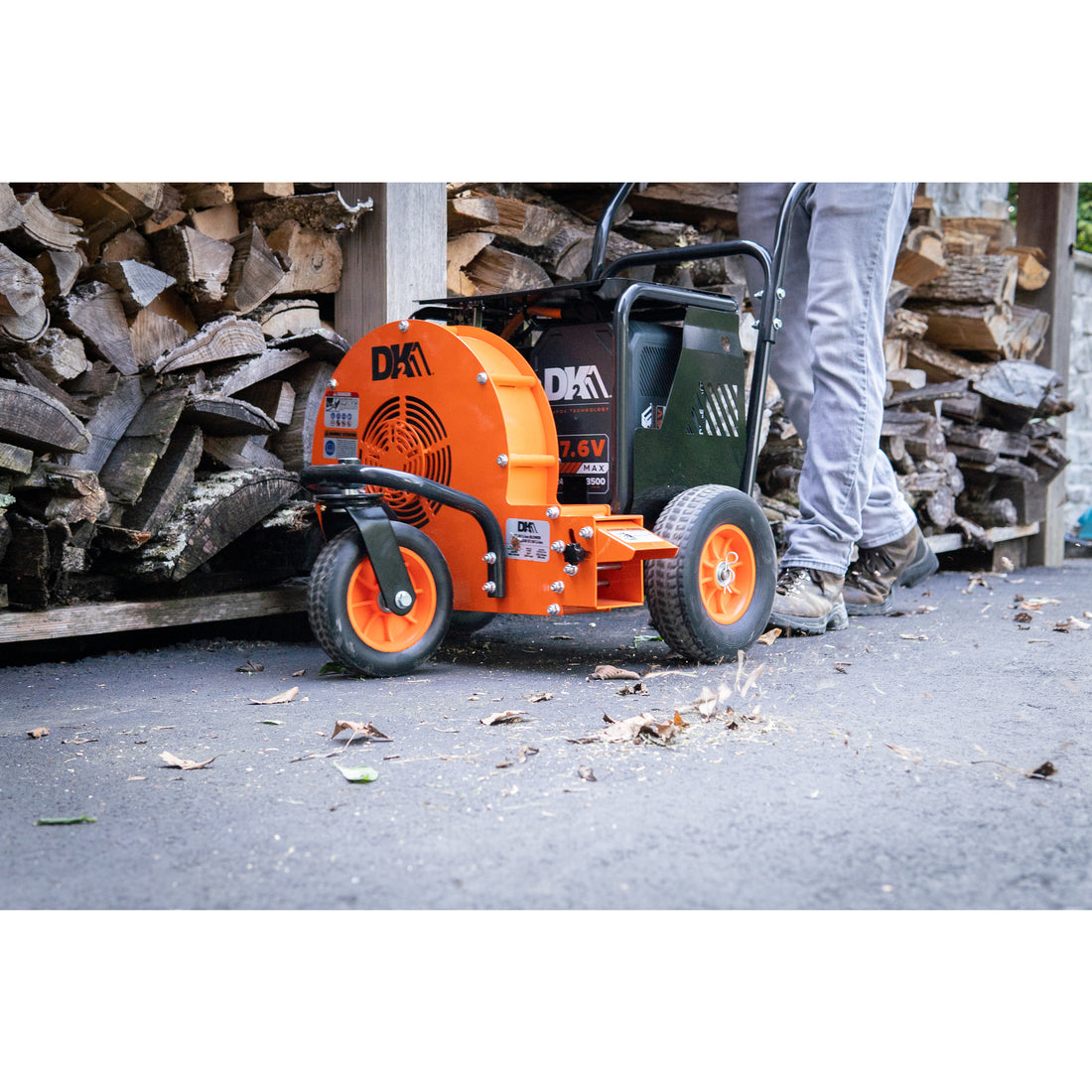
Evaluate the features explicitly documented for each product. Controls, handling arrangements, accessories, and package contents are model-specific and should not be assumed across the collection.
Airflow Controls and Operating Adjustments
Review how the listed machine controls output and directs discharged air. Check the product description and manual for any documented adjustments. The practical question is whether the controls suit your cleanup areas and allow you to manage debris without unnecessarily disturbing surrounding material.
Operating Weight and Handling
Compare operating weight rather than shipping weight when assessing how a machine will feel in use. For carried blowers, balance and fit matter; for wheeled blowers, consider steering, turning, and movement across the intended surface. Evaluate handling for your typical session length.
Included Equipment and Compatible Accessories
Read the included-equipment list carefully before comparing prices. Any accessory must be approved for the specific model; similar appearance does not establish compatibility. Do not assume optional equipment shown in a photograph is included unless the listing confirms it.
Service Access and Maintenance Requirements
Review routine service tasks, storage instructions, and replacement-part information before purchasing. Equipment that fits your maintenance routine can be easier to keep ready for use. Confirm warranty terms and service arrangements for the individual product rather than assuming collection-wide coverage.
How Much Do Leaf Blowers Cost?
Leaf blower prices vary with machine format, power system, construction, and documented capabilities. Use current product prices to compare purchase cost, then account for the equipment and upkeep required for your application.
What Affects the Purchase Price?
Differences in output, engine or motor configuration, machine design, and included equipment can affect pricing. Compare products intended for a similar workload so that price differences have useful context. A higher price does not automatically make a blower the better fit for every property.
Compare the Complete Purchase Cost
Check what is included and identify any separately required equipment before choosing a model. Review product-specific shipping charges, delivery arrangements, and assembly requirements where applicable. These details can change the total amount needed to put the machine into service.
Account for Energy and Maintenance Expenses
Ongoing expenses depend on the power system and manufacturer maintenance schedule. Consider fuel or electricity, required service items, and eventual replacement of wear components. For battery equipment, battery replacement and charger compatibility can also affect long-term cost.
Pay for Capability That Addresses Your Actual Work
Greater capacity can be valuable when it reduces repeated passes or helps manage a substantial cleanup workload. For smaller or obstacle-filled spaces, easier handling may be more useful than maximum output. Also distinguish blowing from washing: removing adhered grime from suitable hard surfaces may call for pressure washers rather than a larger blower.


 -9%JRCO 601.JRC


 -1%

 -27%

 -5%

 -20%


 -10%

 -13%
 -7%


