What Are Lawn Dethatchers and When Are They Needed?
Lawn dethatchers help remove excessive organic buildup within the turf. Understanding what thatch is—and whether it is actually causing a problem—helps you choose the appropriate equipment.
What Is Thatch?
Thatch is a layer of living and dead stems, roots, and other organic material between green grass growth and the soil surface. It is different from loose grass clippings resting on top of the lawn. A thin layer is normal, but excessive accumulation can interfere with water movement and lawn maintenance.
How Lawn Dethatchers Work
Dethatching equipment uses tines or a powered working mechanism to loosen and lift accumulated material. Tine rakes comb through the turf, while powered rake mechanisms can provide more intensive removal. Results depend on the machine, adjustment, lawn condition, and number of passes.
Signs Your Lawn May Need Dethatching
A spongy surface or visible buildup near the soil can justify checking the thatch layer. Examine a small cross-section of turf rather than relying on lawn color alone. Compacted soil, irrigation problems, disease, and excessive thatch can produce overlapping symptoms but require different treatments.
Benefits and Limits of Dethatching
Removing excess thatch can help water reach the soil and expose more of the lawn surface for renovation work. However, dethatching does not replace soil aeration, correct poor drainage, or guarantee thicker grass. Unnecessary or overly aggressive treatment can damage otherwise healthy turf.
Types of Lawn Dethatchers
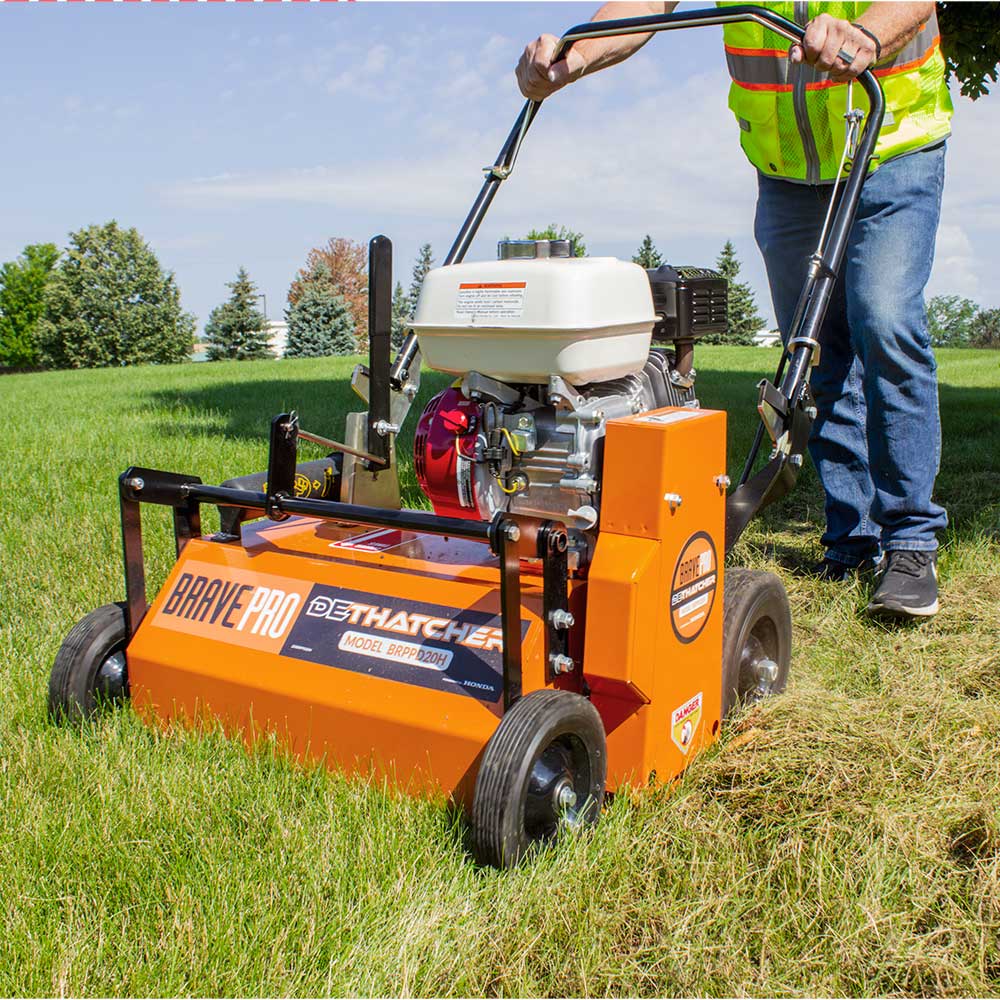
Mower-mounted tine rakes, tow-behind dethatchers, and walk-behind power rakes offer different ways to manage lawn buildup. Compare how each configuration works before deciding which fits your property.
Mower-Mounted Tine Rake Dethatchers
A mower-mounted tine rake attaches to a compatible mower and combs material from the turf as the mower moves. This configuration can suit operators who want to incorporate surface raking into an existing mowing workflow. Mounting hardware, clearance, and mower fit must be checked for the specific attachment.
Tow-Behind Lawn Dethatchers
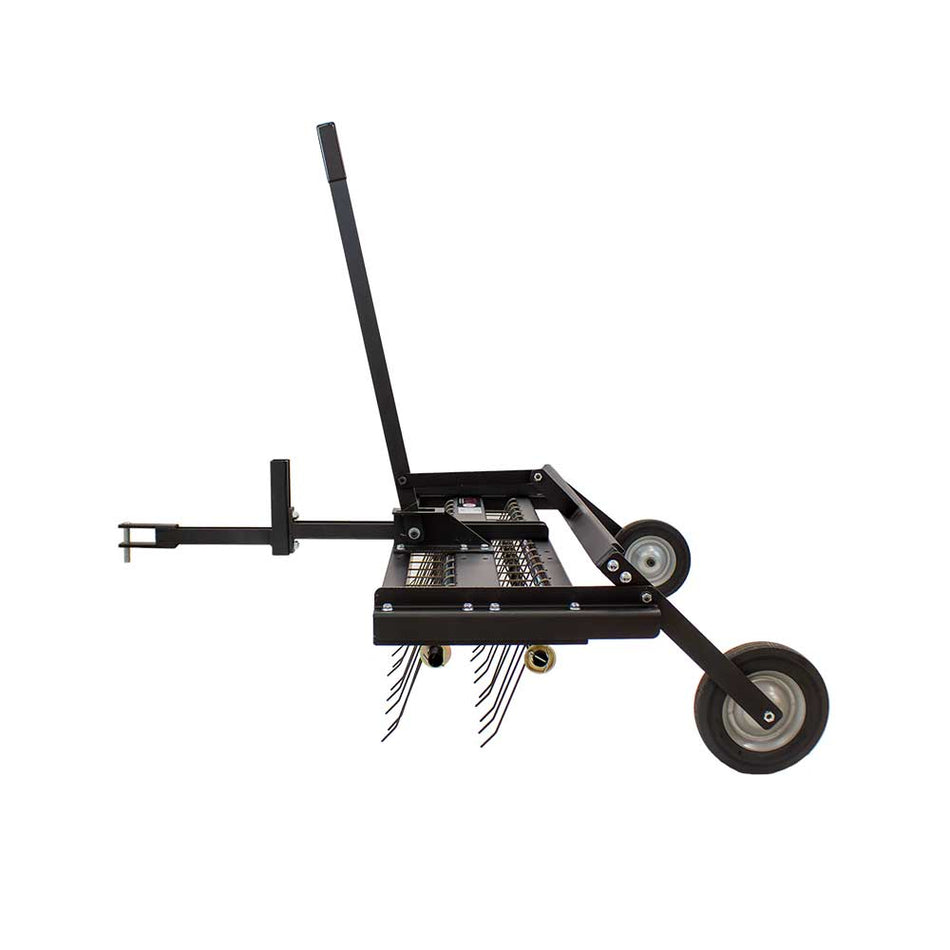
Tow-behind dethatchers operate behind a suitable towing machine. They can be practical for open lawn areas where there is room to turn and maneuver. Check the attachment’s hitch requirements and the towing machine’s approved capabilities rather than assuming every riding mower can pull it.
Walk-Behind Power Rakes
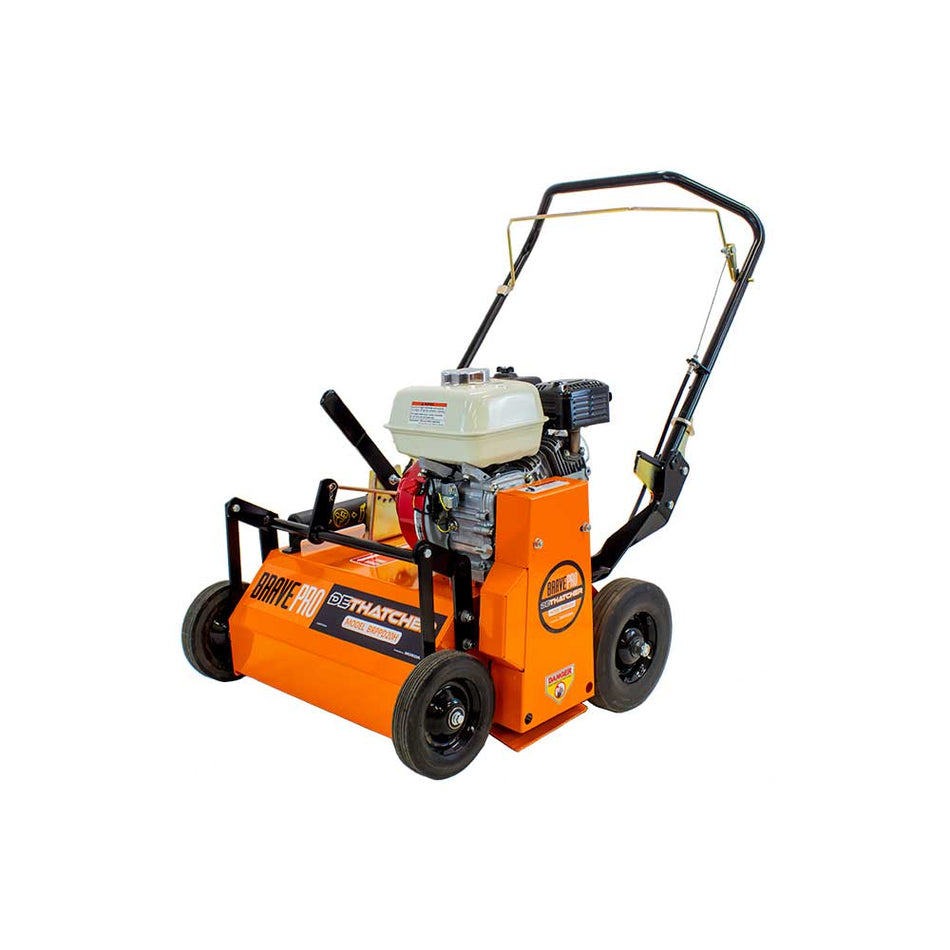
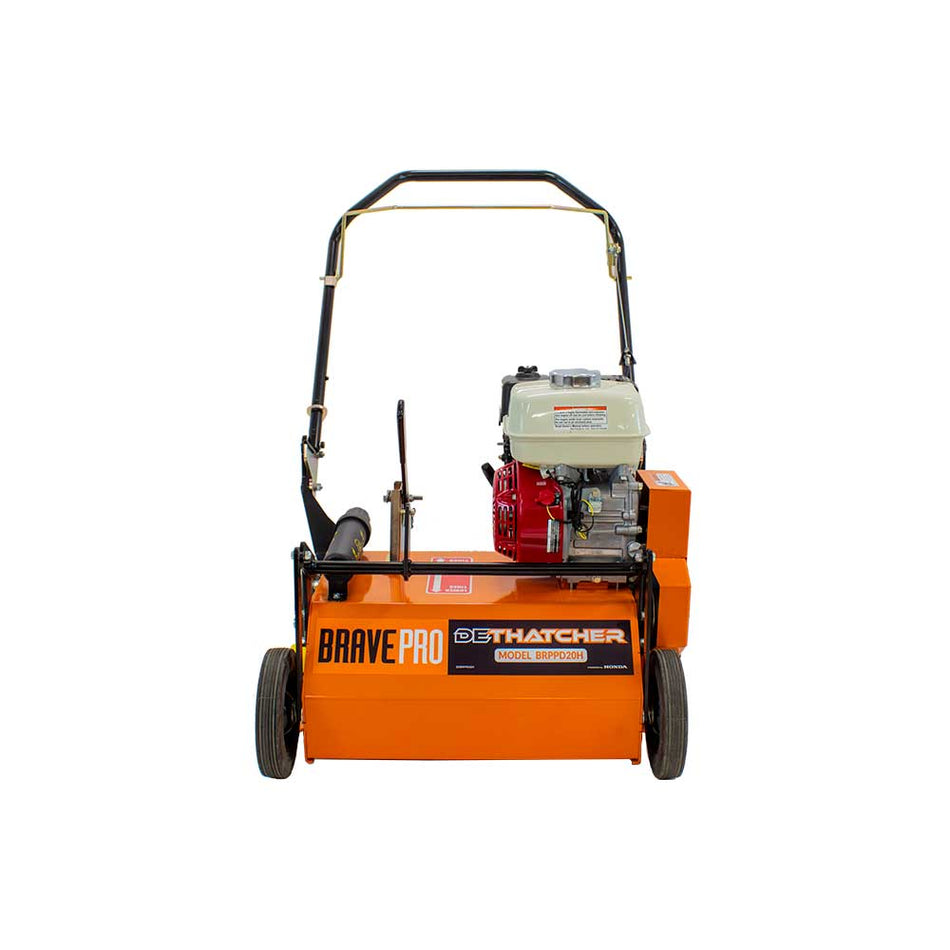
Walk-behind power rakes use a powered mechanism to work through lawn buildup independently of a mower attachment. They offer a different operating approach from passive tine rakes and may be appropriate for more involved dethatching work. Working depth, operating technique, and turf condition affect how aggressively a machine treats the lawn.
How to Choose the Right Lawn Dethatcher
The right dethatcher should match your lawn’s layout, the work required, and the equipment you already own. Start with those practical requirements before comparing individual specifications.
Match Working Width to Lawn Size and Access
A wider working path can reduce passes across an open lawn, but narrow gates, landscaping, and tight corners may favor a smaller machine. Measure access points and consider the full equipment footprint, including the towing or carrying mower.
Consider Terrain and Maneuvering Space
Trees, beds, uneven ground, and slopes affect how easily equipment can operate. A tow-behind unit needs space to track through turns, while a mounted attachment changes the mower’s overall dimensions. Follow the operating limits for both the dethatcher and its host machine.
Account for Your Existing Mower
If you already own suitable equipment, a compatible mounted or towed dethatcher may fit your maintenance routine. When comparing lawn mowers for attachment use, check manufacturer-approved mounting or towing capabilities as well as mowing performance.
Plan for Handling, Storage, and Cleanup
Consider where the dethatcher will be stored, how it will be moved, and whether attachment installation is manageable for your routine. Dethatching also leaves loosened material that needs collection. Suitable blowers can help move loose surface debris, although wet or tangled thatch may require raking and collection.
Lawn Dethatcher Features to Compare

Useful feature comparisons explain how a dethatcher will work, adjust, and hold up under your intended workload. Evaluate the specifications listed for each model rather than assuming every machine has the same equipment.
Tine Design and Working Mechanism
Spring-tine rakes and powered rake mechanisms engage the lawn differently. Compare the working components, their intended application, and the manufacturer’s adjustment instructions. More aggressive action is not automatically better, especially on thin or stressed turf.
Working Height and Depth Adjustment
Adjustment capability helps control how the working components engage the lawn. Check which settings the model provides and how adjustments are made. The correct setup should address the buildup without unnecessarily tearing healthy grass or disturbing soil.
Frame, Wheels, and Ground Contact
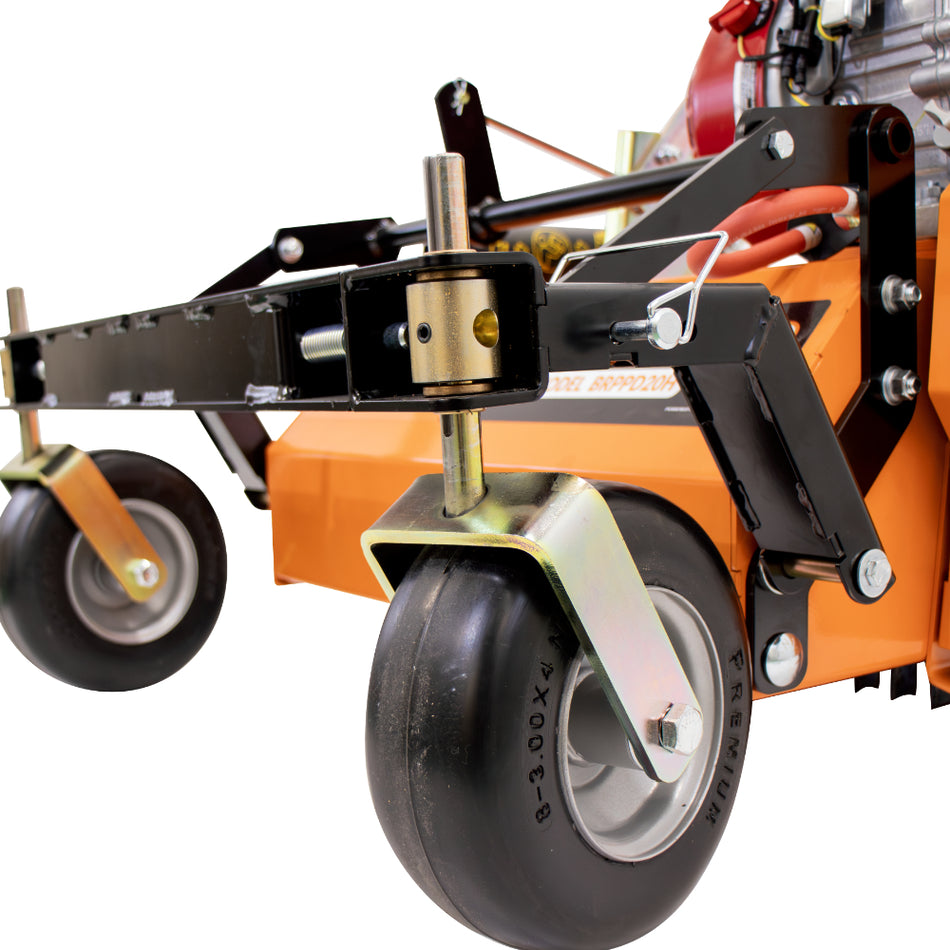
Frame construction and wheel layout affect handling and how the unit follows the lawn surface. Evaluate these features alongside equipment weight and intended use. A heavier machine or wider frame does not, by itself, establish better dethatching performance.
Service Access and Replaceable Wear Parts
Tines and other working components experience wear during use. Before purchasing, check how those parts are inspected and replaced, whether replacements are available, and which maintenance tasks the manual requires. Serviceability matters when comparing equipment for repeated seasonal use.
Lawn Dethatcher Compatibility, Options, and Accessories
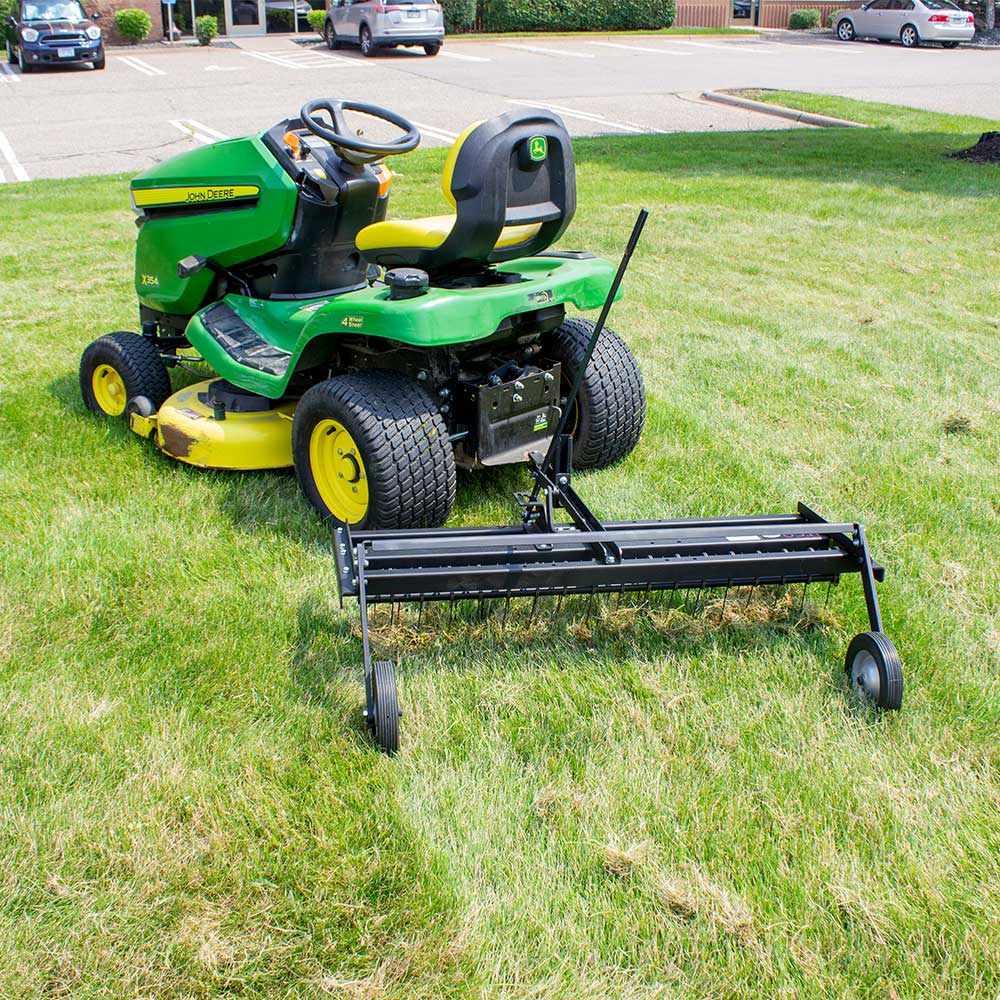
Configuration choices should begin with compatibility. Confirm what the selected dethatcher includes and what your mower or towing machine requires before ordering.
Verify Mower-Mounted Attachment Fit
Check the exact mower make, model, and mounting requirements for a mounted tine rake. Compatibility with one mower does not establish compatibility with another, even within the same brand. Buyers using zero-turn mowers should verify attachment fit and operating clearance for their particular machine.
Check Tow-Behind Connection Requirements
For a tow-behind dethatcher, compare the specified connection with the hitch on your towing equipment. Review towing limits and operating restrictions in both manuals. A hitch connection alone does not confirm that the combination is suitable for use.
Compare Available Widths and Configurations
Choose among the sizes and configurations shown on the individual product listings. Balance lawn coverage against access, turning space, storage, and host-machine requirements. Treat working width as one selection factor rather than the only measure of capability.
Confirm Included Hardware and Compatible Parts
Review the listing for included mounting components, required hardware, and assembly details. If additional parts or accessories are specified, confirm their exact compatibility and whether they are sold separately. Do not assume mounting kits or replacement tines are interchangeable between models.
Lawn Dethatchers vs. Aerators, Scarifiers, and Power Rakes
These equipment terms describe related but different lawn-care functions. Choose according to the problem you need to address, and check the actual working mechanism when product names overlap.
Lawn Dethatchers vs. Core Aerators
Dethatchers primarily loosen and remove accumulated material within the turf, while core aerators remove plugs of soil to address compaction. Dethatching does not create the same soil openings as core aeration. When comparing tow-behind aerators, check whether the model uses core-removing tines or another aeration mechanism.
Lawn Dethatchers vs. Scarifiers
Scarifiers generally use blades that cut into the turf and may engage the soil, depending on their setting and design. Tine-rake dethatchers typically comb through the lawn instead. Because manufacturers use these terms differently, compare the working assembly and intended operating depth rather than relying on the label alone.
Lawn Dethatchers vs. Power Rakes
A power rake can be a type of dethatching machine rather than a separate alternative. The term commonly describes equipment with a powered rotating mechanism that removes accumulated material. Compare the intensity of treatment and adjustment range with a passive tine rake before choosing.
Choosing Equipment for Lawn Renovation
Identify whether the main issue is excess thatch, compacted soil, or inadequate grass coverage. More than one treatment may be appropriate, but each serves a separate purpose. If renovation includes overseeding, properly calibrated spreaders help distribute seed at the seed supplier’s recommended application rate.
Lawn Dethatcher Prices and Long-Term Value
Compare the complete cost of equipment that suits your application. Purchase price matters, but compatibility, upkeep, and practical productivity also influence long-term value.
What Affects Lawn Dethatcher Price?
Working width, operating mechanism, construction, and attachment configuration can affect price. A passive tine rake and an engine-powered walk-behind machine have different components and maintenance requirements. Use current product listings for model-specific prices and included equipment.
Compare the Complete Purchase Cost
Check whether the listed price includes all components needed for your setup. Review any required mounting hardware, shipping charges, and assembly requirements for the selected product. Delivery arrangements and included components can vary between machines.
Evaluate Maintenance and Ownership Costs
Account for replacement working parts, routine inspection, and storage. Engine-powered equipment also requires the engine maintenance specified by its manufacturer. A suitable attachment may allow you to use existing equipment, but the host machine still needs to meet its requirements.
Buying vs. Renting a Dethatcher
Buying can make sense when repeated use, multiple properties, or scheduling flexibility justify ownership. Renting may be practical for occasional renovation work when suitable equipment is locally available. Compare expected use, rental charges, transport, maintenance, and storage before deciding.


 -25%


 -6%


 -15%

 -7%
 -4%

 -6%
 -1%

 -12%

 -14%


