What Is a Kinetic Log Splitter and How Does It Work?
A kinetic log splitter uses stored rotational energy to split firewood instead of relying on hydraulic pressure for the splitting stroke. This operating system gives kinetic machines their distinctively fast action and makes them different from conventional hydraulic wood splitters.
How Flywheels Store Kinetic Energy
The engine or electric motor spins one or more flywheels, allowing them to accumulate rotational energy before each split. When the operator engages the splitting mechanism, the machine transfers that stored energy into a rapid forward stroke.
How the Splitting Mechanism Moves
Many kinetic splitters use a rack-driven mechanism to move the ram or splitting assembly toward the log. Designs vary, so shoppers should confirm the drive system, engagement controls, return mechanism, and operating sequence for each model.
What Happens During a Splitting Cycle
After the flywheels reach operating speed, the operator positions the log and activates the controls. The stored energy is released quickly, the splitting mechanism travels through its stroke, and the moving assembly returns to its starting position for the next log.
How Kinetic Operation Differs From Hydraulic Pressure
A hydraulic splitter uses pressurized fluid to apply force through a cylinder. A kinetic splitter stores energy in rotating components and releases it rapidly, producing a different operating feel and generally placing greater emphasis on cycle speed.
Benefits and Limitations of Kinetic Log Splitters
Kinetic splitters are best known for speed, but cycle time is only one part of the buying decision. The right choice depends on the wood being processed, the amount of firewood involved, and the operator’s preferred workflow.
Fast Cycle Times and Higher Throughput
The rapid splitting and return action can reduce the time spent waiting between logs. This advantage becomes more meaningful when processing several cords of firewood or working through a large pile of straight, consistently sized rounds.
No Hydraulic System for the Splitting Stroke
Because kinetic models do not depend on hydraulic pressure for the splitting stroke, they have different maintenance requirements from conventional hydraulic machines. There is no hydraulic pump-and-cylinder system performing that stroke, although the engine or motor, belts, flywheels, rack, bearings, and other moving parts still require model-specific care.
Performance Depends on the Wood
Species, diameter, moisture content, knots, twisted grain, and irregular shapes all affect splitting difficulty. A fast kinetic machine may work efficiently on manageable, straight-grained rounds while behaving differently on heavily knotted or stringy wood.
When Kinetic May Not Be the Best Choice
A kinetic splitter may be less suitable when the job centers on exceptionally difficult rounds, when vertical operation is essential, or when the operator prefers the steady application of hydraulic force. Compare actual log capacity, orientation, and manufacturer recommendations rather than choosing solely by cycle time.
Kinetic vs. Hydraulic Log Splitters
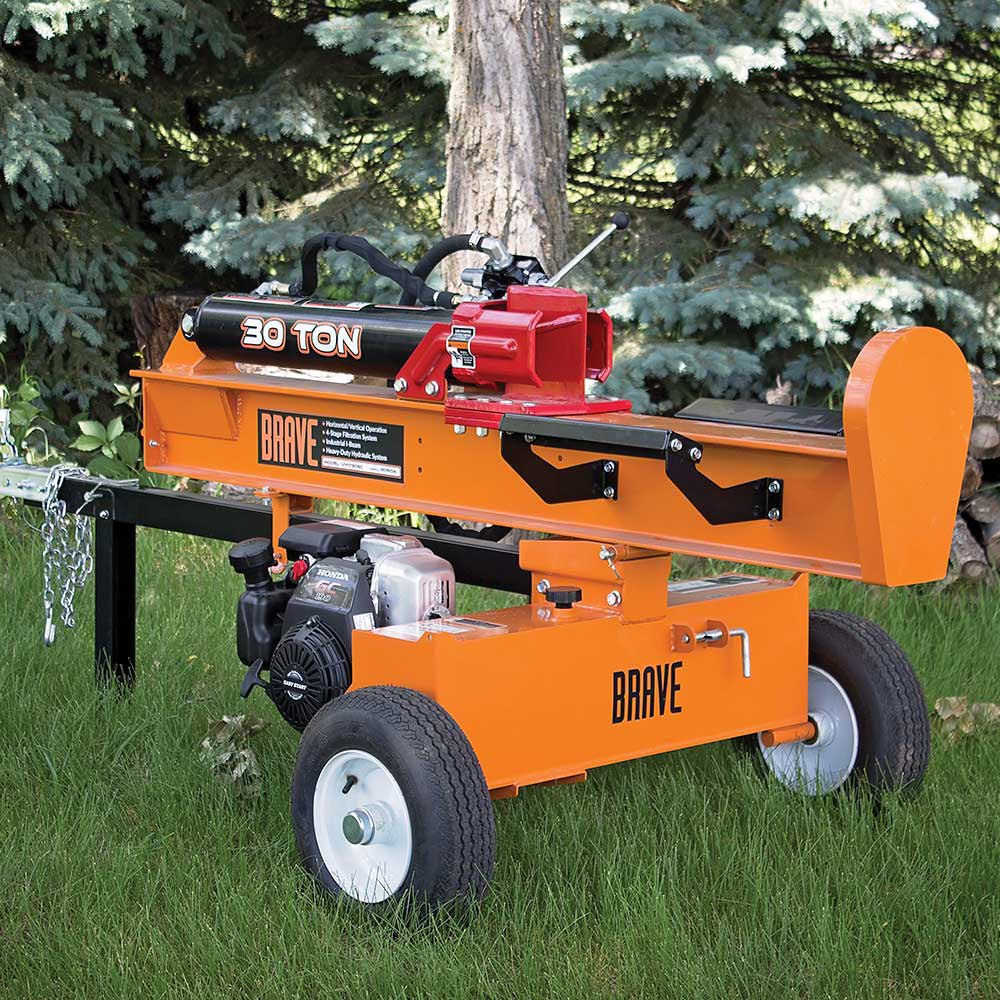
Kinetic and hydraulic splitters can both turn rounds into manageable firewood, but they generate and apply splitting force differently. Comparing their speed, force delivery, wood-handling ability, and maintenance needs helps identify the better mechanism for a particular workload.
Splitting Speed and Cycle Time
Kinetic models are known for rapid splitting cycles. Hydraulic cycle times vary considerably by model and may be longer, although the operator’s loading pace, wedge design, log handling, and overall workflow also affect real production.
Impact Force Versus Sustained Pressure
A kinetic machine releases stored energy in a fast stroke, while a hydraulic cylinder applies force through fluid pressure. Because the mechanisms deliver force differently, kinetic and hydraulic tonnage ratings should not be treated as directly interchangeable without manufacturer-specific support.
Difficult and Irregular Wood
Hydraulic machines are widely used across varied residential and demanding applications, including difficult wood. A kinetic model may provide greater speed on suitable rounds, but knots, crotches, twisted grain, moisture, and wood density can change how any splitter performs.
Which Type Should You Choose?
Choose based on the wood and workflow rather than the technology alone. Buyers who prioritize rapid cycles may prefer kinetic operation, while shoppers who want a broad range of conventional configurations can compare gas log splitters and electric log splitters alongside the kinetic models on this page.
How to Choose the Right Kinetic Log Splitter
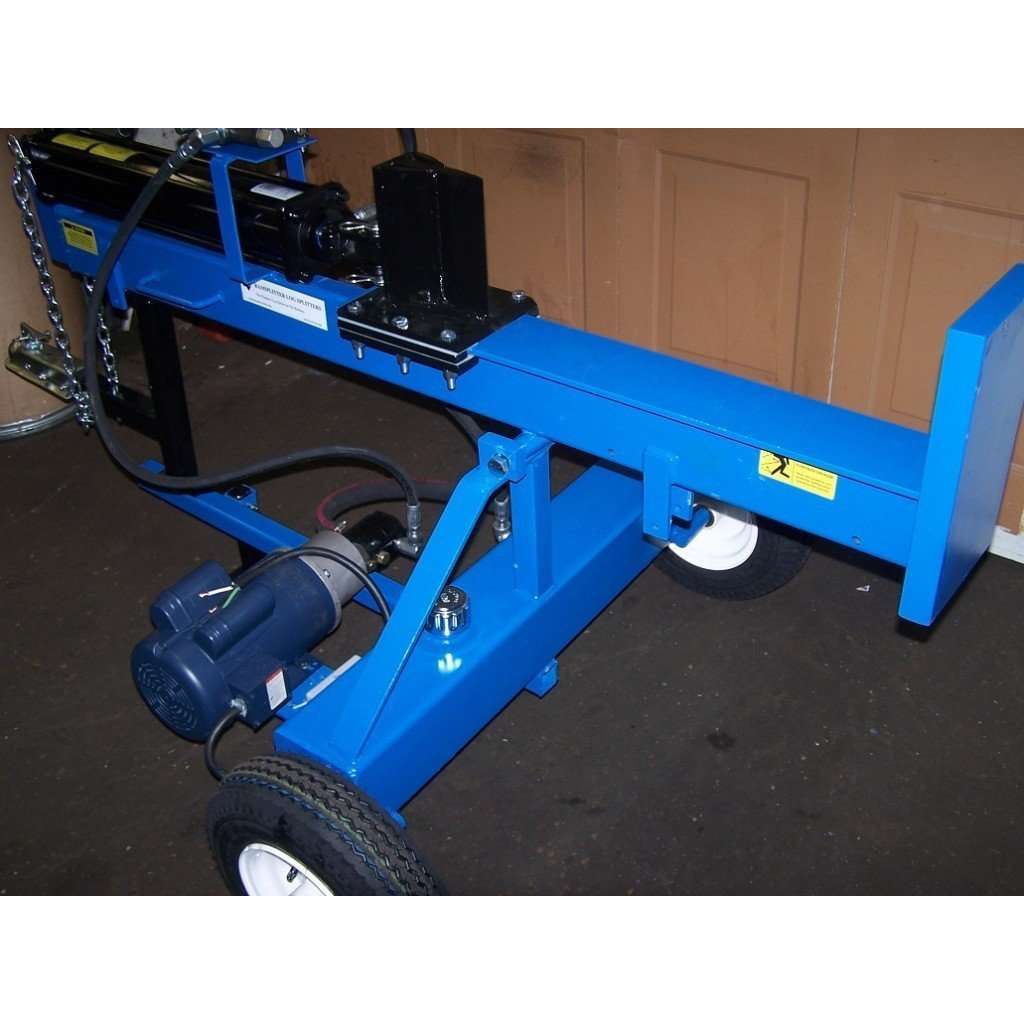
The best kinetic log splitter is the model that fits the wood you actually process. Evaluate log difficulty, rated capacity, splitting volume, available power, operating height, and mobility before comparing headline specifications.
Start With Wood Species and Condition
Large, hard, green, knotty, or irregular rounds generally present a more demanding job than smaller, seasoned, straight-grained logs. Consider the most difficult wood the machine will encounter regularly—not merely the easiest rounds in the pile.
Check Maximum Log Length and Diameter
Review each product’s rated log capacity rather than assuming a category-wide limit. Log length affects whether a round fits the machine, while diameter, density, grain, and knots influence the force needed to complete a split.
Match Cycle Speed to Splitting Volume
Fast cycling is especially valuable for users processing large quantities of manageable firewood. For occasional use, ease of storage and operation may matter as much as maximum throughput; for higher-volume work, loading efficiency and a consistent operating rhythm become increasingly important.
Consider Standalone and Equipment-Powered Alternatives
A standalone kinetic machine supplies its own power and does not require a tractor or skid steer. Buyers who already own compatible equipment and have different handling needs may also compare 3-point tractor log splitters or skid steer log splitters.
Plan for Movement and Storage
Consider machine dimensions, weight, wheels, handles, hitch equipment, and the distance between storage and the work area. Wheels or a hitch do not automatically make a splitter suitable for public-road towing; always verify the manufacturer’s towing limits and transportation instructions.
Kinetic Log Splitter Specifications and Features to Compare
Specifications are most useful when they are connected to real operating needs. Compare complete model information rather than selecting a kinetic splitter from one number or feature alone.
Cycle Time and Return Action
Cycle time indicates how quickly the splitting mechanism can complete its operating cycle. Confirm how the manufacturer defines that specification and whether the model includes an automatic or manually controlled return, because control design influences workflow.
Kinetic Tonnage Ratings
A higher advertised rating does not automatically make one kinetic splitter better than another. Tonnage should be considered with the machine’s mechanism, log capacity, power source, construction, intended application, and the manufacturer’s documented performance guidance.
Engine or Motor Power
The power source spins the flywheels and prepares the machine for each stroke. Verify the engine or motor specifications, required fuel or electrical supply, starting method, operating environment, and maintenance requirements for the individual model.
Work Tables, Cradles, and Wedges
Log supports and work tables can help keep split pieces within reach and reduce repetitive handling. Wedge designs and compatible log splitter accessories vary, so confirm model compatibility before adding a table, catcher, cover, or alternate wedge.
Controls and Safety Features
Compare engagement controls, guards, emergency procedures, and operator positioning. Use every machine on a stable surface, keep hands and bystanders away from the splitting zone, wear appropriate protective equipment, and follow the product manual.
Power Sources, Configurations, and Accessories
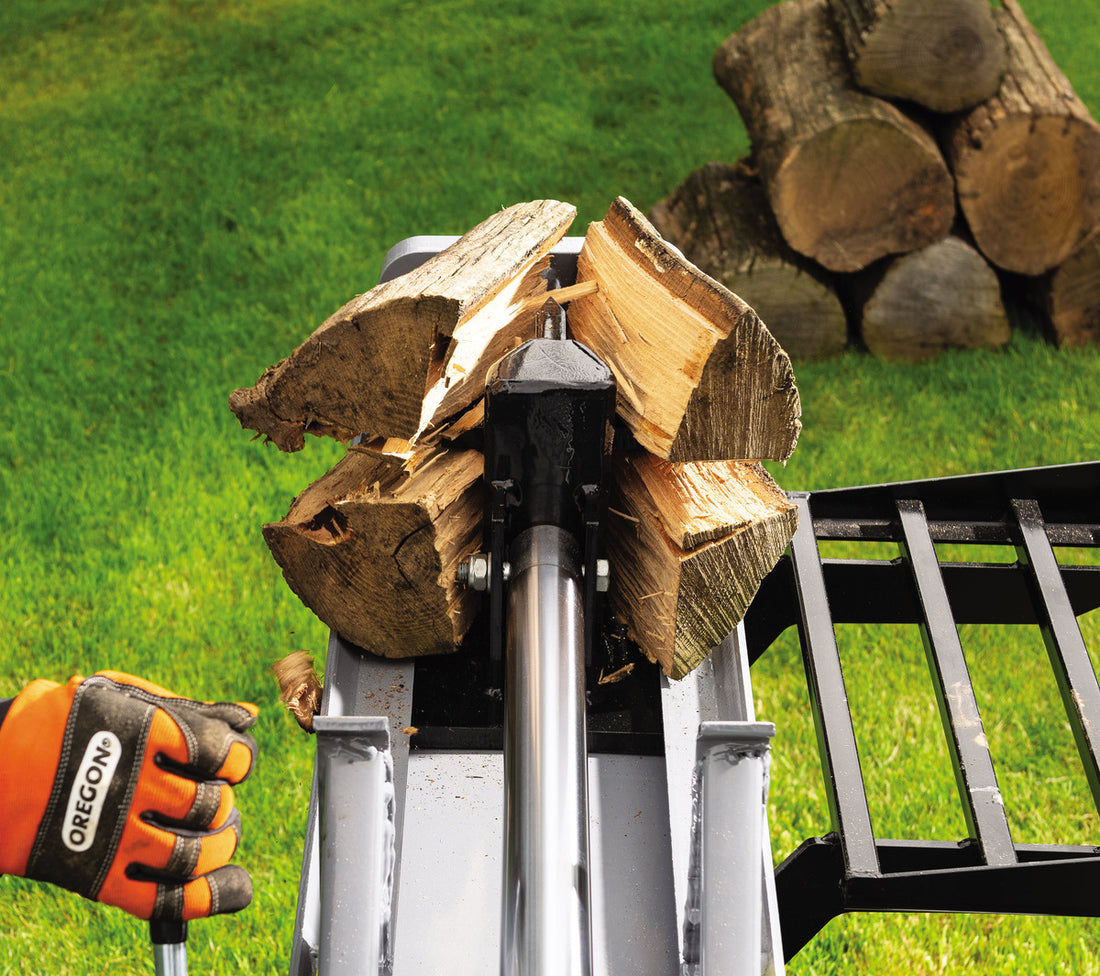
Kinetic splitters are available in different designs, and not every model includes the same power source, controls, supports, or mobility features. Focus on documented specifications and compatible options rather than assuming that a feature applies across the category.
Gas-Powered Kinetic Splitters
A gas-powered kinetic splitter can operate away from an electrical outlet, making it useful when the woodpile or work area is remote. Engine type, fuel requirements, noise, maintenance, and machine capacity remain model-specific.
Electric Kinetic Splitters
Electric models eliminate gasoline and engine exhaust and may require less engine-related maintenance. Buyers should verify voltage, amperage, outlet, circuit, extension-cord, and operating-location requirements before purchase.
Horizontal and Vertical Operation
Do not assume that every kinetic machine operates vertically. Confirm its rated orientation and consider how high each round must be lifted, especially when regularly processing large or heavy wood.
Tables, Catchers, Wedges, and Covers
Accessories can support log handling, storage, or a particular splitting workflow, but compatibility is not universal. Use only wedges, tables, covers, and other components approved for the specific splitter model.
Wheels, Handles, and Towable Designs
Wheels and handles can make a splitter easier to reposition around a property. If a model has a hitch or is described as towable, check its rated towing speed and road-use restrictions before transporting it.
Kinetic Log Splitter Cost and Long-Term Value
The value of a kinetic splitter depends on more than its purchase price. Productivity, construction, expected workload, replacement-part access, maintenance, and useful service life all affect what the machine delivers over time.
What Affects Kinetic Log Splitter Prices?
Price can vary with the power source, splitting system, log capacity, frame design, controls, work supports, mobility features, warranty, and included equipment. Compare current product listings for exact prices and specifications.
Residential and Higher-Volume Workloads
A homeowner processing occasional fireplace wood may value compact storage and simple operation. Someone heating with wood or producing several cords per year may place greater value on fast cycles, efficient log handling, durable construction, and parts availability.
Productivity and Labor Time
A short cycle can reduce waiting between splits, but actual productivity also depends on loading, repositioning, resplitting, and moving finished pieces. The greatest value comes when the splitter’s speed matches the operator’s complete firewood-processing workflow.
Maintenance and Ownership Costs
Account for fuel or electricity, scheduled service, belts, bearings, rack components, wear parts, storage, and possible repairs. Maintenance requirements differ by design, making the manual and manufacturer service recommendations important comparison tools.
Is a Kinetic Log Splitter Worth It?
A kinetic splitter can offer strong value when rapid cycle times materially improve the user’s workflow and the machine is suited to the wood being processed. A slower but differently configured splitter may be more appropriate when difficult rounds, vertical operation, or another specific capability takes priority.


 -25%
-25%
 -10%
-10%
 -11%
-11%
 -20%
-20%


