What Is a Stump Grinder and How Does It Work?
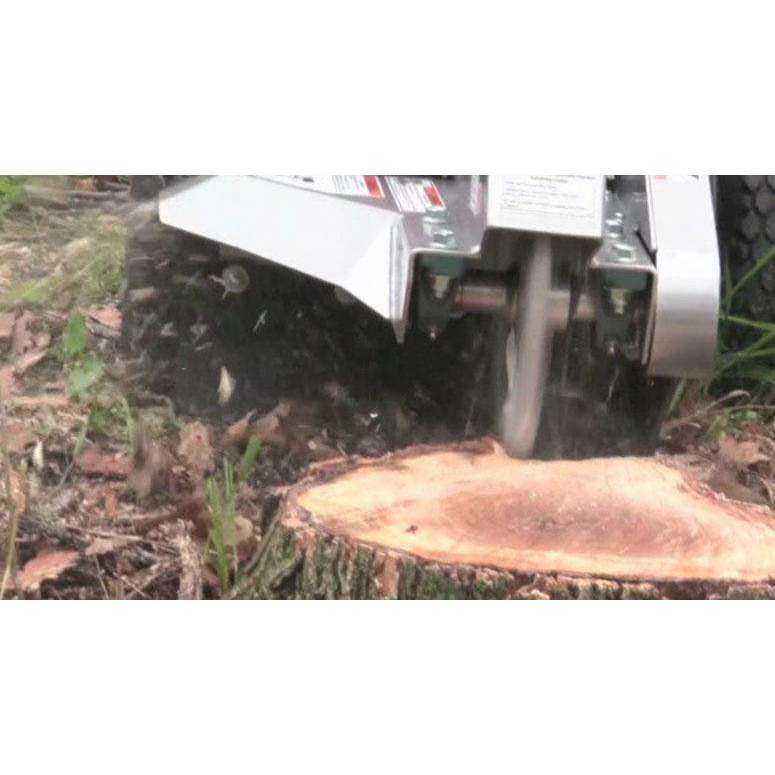
A stump grinder is a powered machine that uses a rotating cutting wheel and teeth to reduce a tree stump into small wood chips. Grinding can remove the visible obstruction and lower the remaining stump below the surrounding grade without excavating the entire root system.
How a Stump Grinder Removes a Tree Stump
The cutting wheel moves across the stump in controlled passes, shaving away wood until the operator reaches the desired depth. Performance depends on the machine, stump size, wood condition, cutting system, site conditions, and operator technique.
Cutting Wheels, Teeth, and the Grinding Process
The cutting wheel supplies the motion while replaceable teeth make contact with the wood. Wheel size, tooth design, tooth condition, and available power can influence cutting speed and how effectively a grinder handles dense, weathered, or irregular stumps.
How Deep Can a Stump Grinder Grind?
Maximum grinding depth varies by model and should be confirmed in the individual product specifications. The required depth also depends on what will happen to the area afterward, such as covering it with soil, establishing grass, or preparing for another landscaping project.
What Happens to the Roots After Grinding?
Stump grinding normally reduces the stump and portions of the root flare without extracting the complete underground root system. Remaining roots generally decay over time, so grinding should not be confused with full stump-and-root excavation.
Types of Stump Grinders
Stump grinders are available in multiple configurations for different properties, access conditions, terrain, and workloads. The best design depends on where the machine must travel, how frequently it will be used, and the size and difficulty of the stumps being processed.
Walk-Behind Stump Grinders
Walk-behind machines are controlled by an operator positioned behind the unit. Their comparatively compact design can be useful when working in residential yards or other locations where gates, landscaping, and structures limit access.
Self-Propelled Stump Grinders
A self-propelled drive system helps move the machine around the property and position it at the stump. Buyers should compare the drive arrangement, controls, machine width, weight, and suitability for the terrain rather than assuming every self-propelled grinder handles the same way.
Tracked Stump Grinders
Tracked undercarriages can provide traction and distribute machine weight differently than wheeled designs. Actual performance on slopes, soft ground, and uneven terrain remains model-specific and must stay within the manufacturer's operating limits.
Tow-Behind Stump Grinders
Tow-behind grinders are designed to be transported or positioned using a compatible vehicle or piece of equipment. A hitch does not automatically make a machine legal or suitable for highway towing, so buyers must verify towing speeds, vehicle requirements, lighting, and road-use restrictions for the particular model.
Attachment-Mounted Stump Grinders
Some stump-grinding systems are designed for use with compatible tractors, skid steers, or other host machines. Before purchasing an attachment, verify its mounting interface, hydraulic or PTO requirements, couplers, flow and pressure requirements, and compatibility with the host equipment. Buyers who use several attachments can also explore WSD's broader selection of skid steer attachments and tractor attachments.
How to Choose the Right Stump Grinder
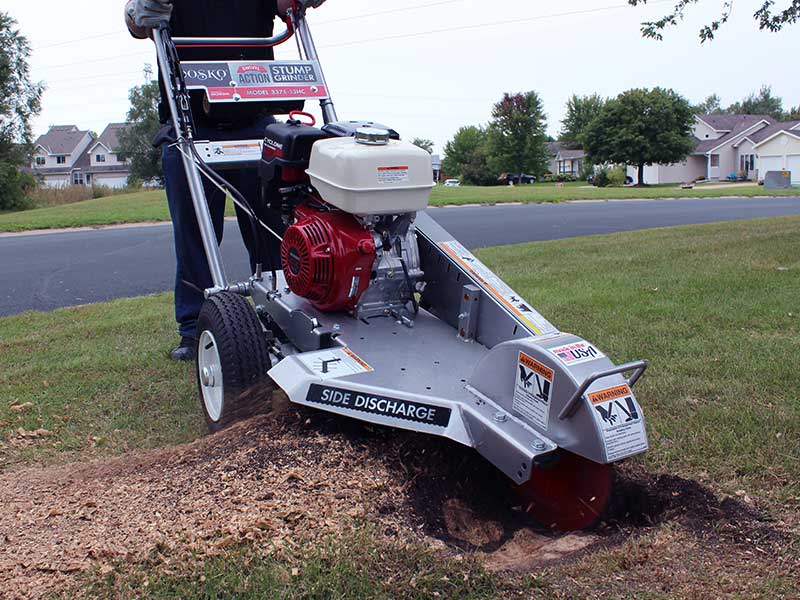
Choosing a stump grinder requires more than comparing engine size or purchase price. Start with the stumps and work sites you expect to encounter, then evaluate each machine's documented capacity, access requirements, mobility, controls, and service needs.
Match the Grinder to Stump Size and Wood Condition
Large-diameter stumps generally require more cutting time than small ones, while dense wood, embedded dirt, exposed roots, and irregular shapes can increase the workload. Consider the typical stump—not just the smallest or largest example—when comparing machines.
Consider Grinding Depth and Cutting-Wheel Reach
Compare the model's maximum cutting height, below-grade depth, sweep, and other published operating dimensions. These specifications help determine whether the grinder can reach the necessary parts of a stump and prepare the site for its intended use.
Evaluate Terrain and Ground Conditions
Level lawns, loose soil, slopes, rough acreage, and confined landscaping present different challenges. Consider traction, stability, machine weight, steering, and the manufacturer's slope restrictions when matching a stump grinder to the work environment.
Measure Gates and Other Access Restrictions
Measure gates, pathways, side yards, and clearances before selecting a machine. Compare those measurements with the grinder's overall width and operating space, allowing room to maneuver safely rather than relying on machine width alone.
Choose for Occasional, Frequent, or Professional Use
An occasional property-maintenance project creates different demands than repeated landscaping, grounds-maintenance, rental, or tree-service work. Higher-volume users should pay particular attention to productivity, operator effort, tooth service, parts availability, transport, and long-term operating costs.
Stump Grinder Features to Compare
Specifications determine how a stump grinder fits the job, but no single number describes overall performance. Compare the complete machine and confirm every capability on the individual product page before purchasing.
Engine Power and Cutting Performance
Available power affects the machine's ability to keep the cutting wheel working under load. Engine manufacturer, displacement, horsepower, starting system, fuel requirements, and performance characteristics vary, so use model-specific specifications when comparing grinders.
Cutting-Wheel and Tooth Configuration
Examine cutting-wheel diameter, tooth type, tooth count, pockets, and replacement procedures where those details are provided. Tooth condition matters because worn or damaged cutting components can reduce productivity and place unnecessary demands on the machine.
Cutting Height, Depth, and Sweep
These dimensions describe the grinder's working range around a stump. A suitable range can reduce repositioning, but published measurements and capacity limits should always be verified for the exact model.
Drive System, Traction, and Maneuverability
Wheel or track design, self-propelled operation, steering, brakes, and machine dimensions can influence movement between stumps and control at the work site. Buyers working on acreage may also need to consider how the grinder will be loaded and transported using compatible utility trailers or other properly rated equipment.
Controls and Protective Features
Control layouts can include manual systems or other model-specific configurations. Compare operator position, emergency stopping provisions, guards, debris-control features, and visibility while remembering that protective equipment and safe operating procedures are still required.
Walk-Behind vs. Self-Propelled Stump Grinders
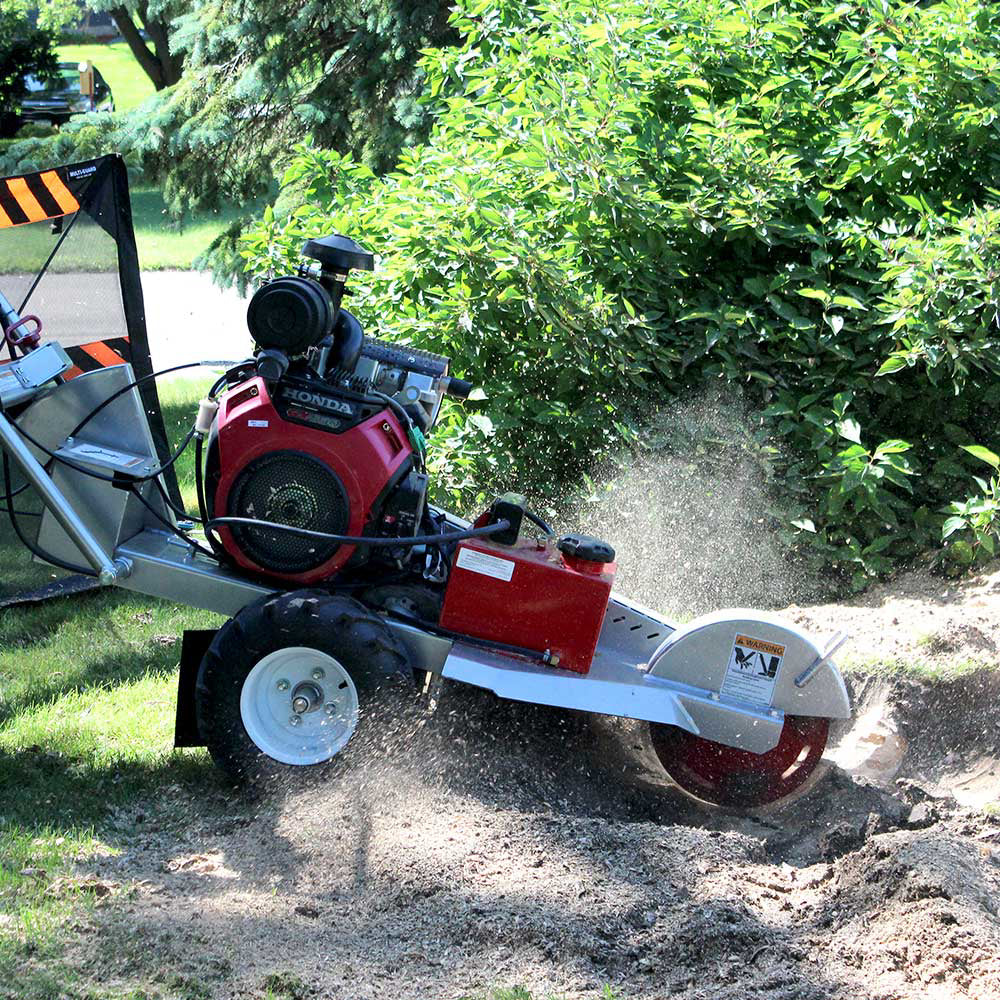
Walk-behind and self-propelled are not necessarily opposing categories: a stump grinder can be operated from behind while also using powered travel. The meaningful comparison is between machines that require more manual movement and those with drive assistance.
Portability and Property Access
Compact machines may pass through narrower gates and reach backyard stumps more easily. Larger designs may offer additional capability, but overall width, length, weight, turning space, and transport requirements must fit the properties being served.
Traction and Operator Effort
Powered travel can reduce the effort needed to move a grinder across a property, particularly on uneven ground. Traction and control still depend on the drive system, tires or tracks, surface conditions, slope, and proper operation.
Productivity Across Multiple Stumps
Users moving between numerous stumps may place greater value on efficient travel, positioning, and cutting-wheel control. For occasional work in a compact area, a simpler machine may provide sufficient capability without unnecessary size or complexity.
Which Design Should You Choose?
Choose based on site access, terrain, stump workload, transport, operator needs, maintenance, and budget. Product names alone do not establish performance; compare the complete specifications and operating requirements of each machine.
Stump Grinder Prices and Long-Term Value
Stump grinder prices reflect differences in power, cutting systems, mobility, controls, construction, and intended workload. The lowest purchase price may be appropriate for limited use, while frequent users may place more value on productivity, serviceability, and reduced operator effort.
What Determines Stump Grinder Prices?
Engine and drive systems, cutting-wheel design, machine size, controls, transport features, and included equipment can all affect price. Compare the features you will actually use instead of paying for capacity that does not match the job.
Property-Maintenance vs. Professional Equipment
A property owner removing a limited number of stumps may prioritize access, manageable size, and straightforward operation. Landscapers, tree-service professionals, and grounds crews may give greater weight to production, mobility, durability, transport, and parts support.
Buying vs. Renting a Stump Grinder
Renting can make sense for a defined, one-time project, while buying can provide value for repeated work, multiple properties, or a service business. Compare purchase price with local rental rates, transportation, scheduling, expected usage, maintenance, and the value of having the machine available when needed.
Maintenance and Total Ownership Cost
Fuel, replacement teeth, belts, bearings, filters, fluids, and other service items may contribute to ownership costs depending on the machine. Product support, replacement-part availability, maintenance access, and expected utilization can be as important as the initial price.
Stump Grinder Teeth, Maintenance, and Equipment Options
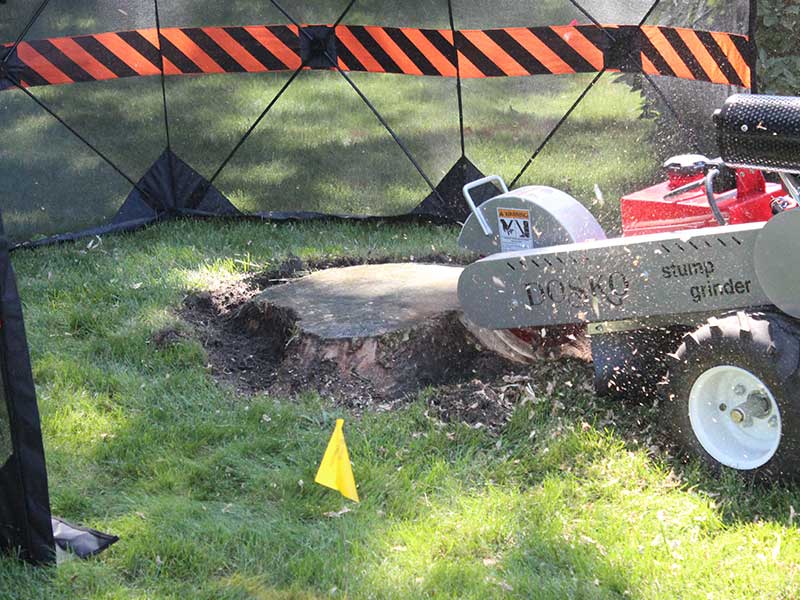
Cutting components and routine maintenance have a direct effect on stump grinder performance and service life. Requirements differ among models, so follow the maintenance schedule and procedures in the manufacturer's manual.
Cutting Teeth and Tooth Systems
Teeth are wear components that encounter wood, soil, and occasionally hidden material around the stump. Inspect them as directed and use only compatible teeth, pockets, fasteners, and installation procedures for the cutting system.
Replacement Parts and Compatibility
A part that looks similar may not fit or perform correctly on another machine. Confirm the model number, part number, cutting-wheel system, hardware, and manufacturer requirements before ordering replacements.
Engine and Drive-System Maintenance
Service needs may include engine oil, filters, belts, bearings, tires, tracks, batteries, or hydraulic components, depending on the design. Maintenance intervals and approved fluids are model-specific and should come from the product manual.
Transport and Storage Considerations
Review machine weight, dimensions, tie-down procedures, loading requirements, and towing restrictions before transport. Store the grinder according to manufacturer guidance and protect it from conditions that could damage fuel, electrical, cutting, or drive components.
Related Tree and Wood-Processing Equipment
Stump grinding is often one stage of a larger property-cleanup project. Depending on the work, buyers may also need chainsaws for cutting, wood chippers for processing branches, or brush cutters for reclaiming overgrown areas.


 -15%Dosko GNE-1210

 -23%

 -3%Dosko 337-13HC

 -3%Dosko 691SP-20HE

 -23%

 -2%Dosko 337S-13HC

 -6%Dosko 620-20HE

 -13%

 -23%
 -20%

 -7%

 -14%

 -23%

 -11%
 -14%

 -10%

 -6%

 -13%
 -7%
 -10%
 -14%

 -8%
 -11%
 -5%
 -17%

 -21%

 -6%


