What Are Log Splitter Accessories?
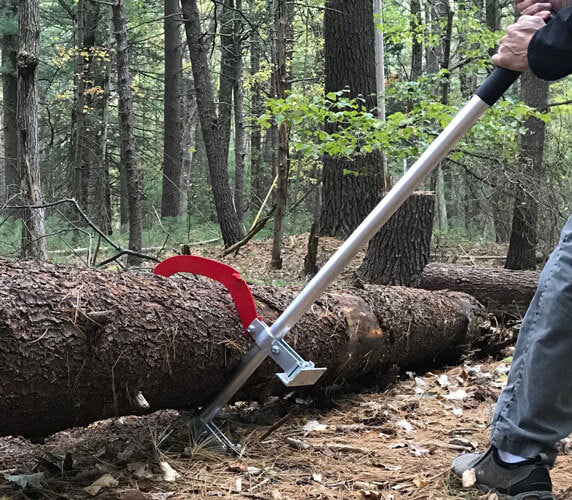
Log splitter accessories are products that add capabilities, improve material handling, protect equipment, or make firewood processing more convenient. The right accessories depend on the splitter, the wood being processed, and the specific problem the operator wants to solve.
Performance and Productivity Accessories
Performance-oriented accessories can change how wood moves through the splitting process. Multi-way wedges, for example, may divide a round into additional pieces during a splitting cycle when they are compatible with the machine and suitable for the wood.
An accessory does not change the splitter's underlying rated force, cycle time, or log capacity. Productivity still depends on the complete workflow, including loading, splitting, repositioning, and removing finished wood.
Material-Handling and Work-Support Accessories
Log cradles, trays, and work tables can help support rounds or catch split pieces near the beam. Keeping wood within reach may reduce how often pieces fall to the ground and need to be lifted for another pass.
Support size, mounting points, operating orientation, and weight limits vary by product. Confirm that the accessory is approved for the specific splitter and will not interfere with its controls or moving components.
Transport, Storage, and Protection Accessories
Covers help protect compatible splitters while they are stored, while certain model-specific products may support movement or storage. A cover should fit without placing unnecessary pressure on controls, hoses, or other exposed components.
Wheels, hitches, or a towable design do not automatically make a splitter suitable for public-road towing. Follow the splitter manufacturer's transport instructions and rated towing limitations.
Accessories Versus Replacement Parts
An accessory adds a function or convenience, while a replacement part restores or maintains an existing system. Wedges, work supports, and covers are commonly treated as accessories; pumps, cylinders, valves, hoses, and engine components are generally replacement or service parts.
This distinction matters when shopping because replacement components normally require more detailed technical matching. Use the manufacturer, model number, serial information, and original specifications to identify the correct product.
Types of Log Splitter Accessories
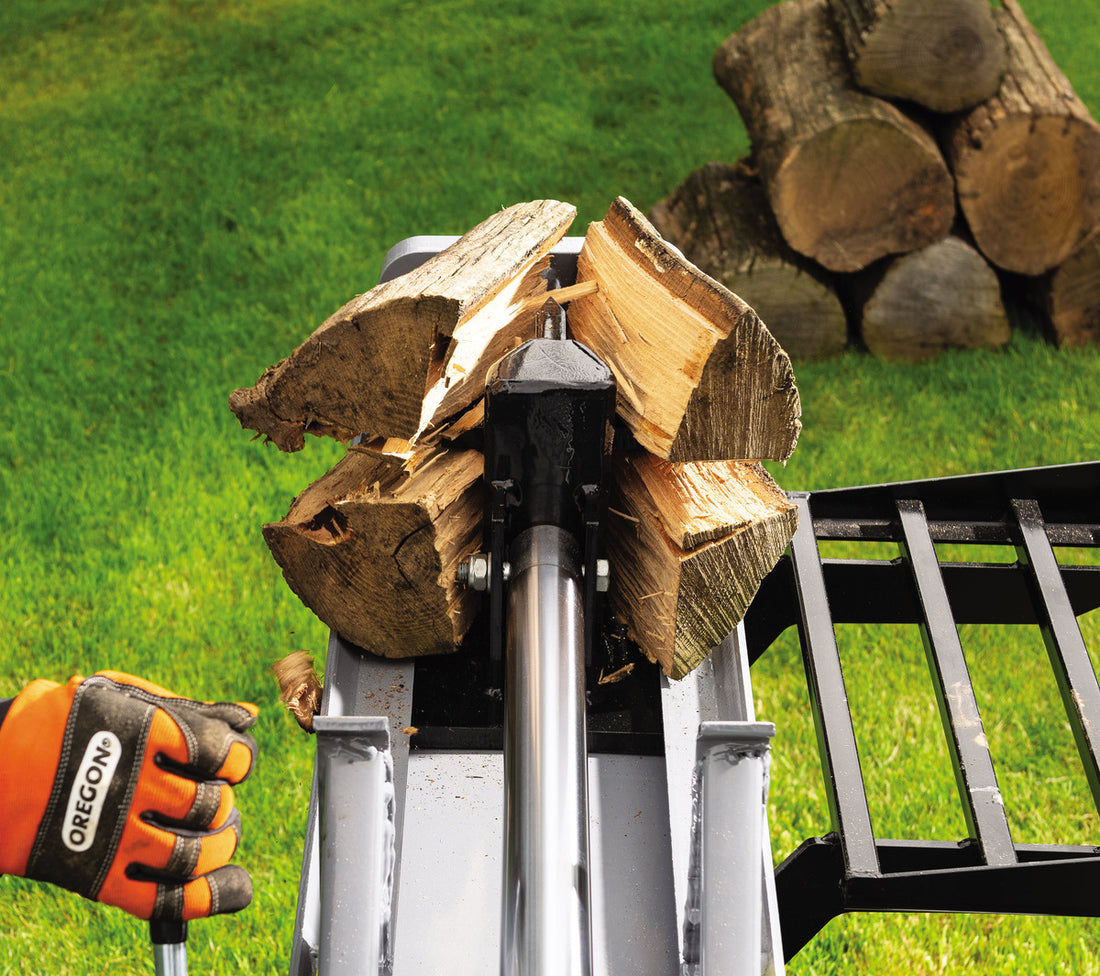
Log splitter accessories serve different purposes, from dividing rounds into more pieces to supporting wood near the beam. Understanding the major categories makes it easier to compare products based on the work they perform rather than appearance alone.
Wedges and Splitting Attachments
Splitting attachments may include standard replacement-style wedges or add-on multi-way configurations. A compatible four-way wedge can divide suitable rounds into multiple pieces, although results depend on log size, grain, knots, moisture content, and the splitter's capabilities.
Do not assume that wedges with similar dimensions are interchangeable. Attachment design, beam clearance, wedge position, mounting method, and manufacturer approval all affect compatibility.
Log Cradles, Trays, and Work Tables
Cradles and work tables support wood beside the splitting area. They can make it easier to reposition larger pieces for another pass and keep finished pieces from immediately dropping away from the machine.
These accessories are especially relevant when processing substantial quantities of firewood, but they must remain clear of the wedge, ram, controls, and operator position.
Log Splitter Covers
A fitted cover can help protect a stored splitter from dust, debris, and exposure. Cover dimensions and construction matter because gas, electric, horizontal-only, and horizontal/vertical splitters can have substantially different profiles.
Allow the machine to cool and follow the manufacturer's storage procedures before covering it. A cover is not a substitute for proper maintenance or a suitable storage location.
Manual Kindling and Wood-Splitting Tools
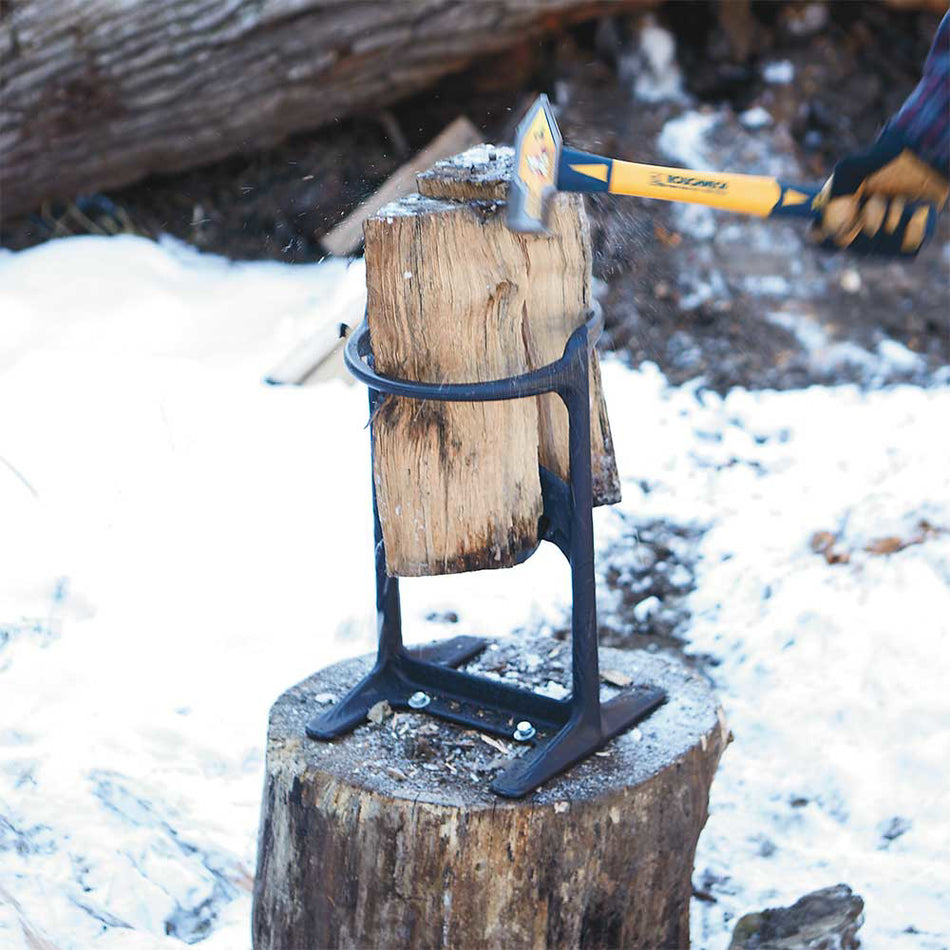
Manual splitting tools can complement a powered splitter when the goal is to reduce already-split firewood into kindling. They serve a different purpose from powered machines and can be useful for smaller pieces that do not require a complete log-splitting cycle.
Follow the tool manufacturer's instructions and use appropriate protective equipment. Never use an accessory or manual tool in a way that places hands in a powered splitter's splitting zone.
How Do Log Splitter Accessories Improve the Splitting Process?
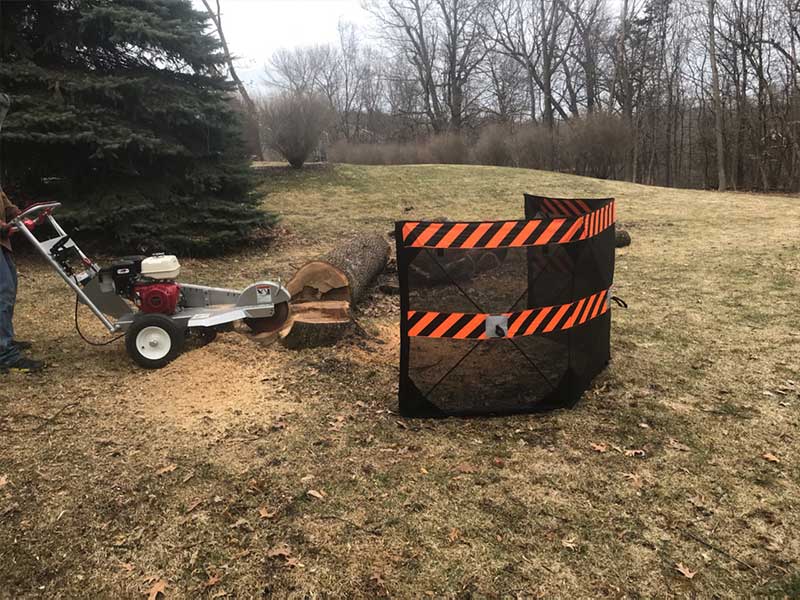
The most useful log splitter accessories solve a recurring problem in the operator's workflow. Depending on the product, an accessory may increase the number of pieces produced per cycle, support wood near the beam, protect the machine during storage, or reduce unnecessary handling.
Split Suitable Rounds Into More Pieces
A compatible multi-way wedge may produce several smaller pieces during one splitting stroke. This can be helpful when processing straight, manageable rounds into firewood of a consistent size.
Multi-way wedges are not automatically faster with every log. Large, knotty, twisted, or irregular rounds may require a different approach or additional passes.
Keep Wood Within Reach
A cradle or work table can catch split pieces close to the beam so they can be repositioned without first retrieving them from the ground. This can create a more orderly workflow when a large piece requires multiple splits.
The accessory should provide adequate support without encouraging the operator to reach into the splitting area. Manufacturer operating procedures still take priority.
Reduce Repeated Lifting and Repositioning
Good material handling can matter as much as splitting speed when processing several cords of firewood. Supporting pieces at beam height may reduce avoidable lifting, although heavy rounds must still be handled according to safe operating practices.
Customers working with especially large rounds may also compare splitters that support vertical operation, including selected gas log splitters.
Protect Equipment Between Uses
A properly fitted cover can help limit exposure to dust and debris while the splitter is stored. Storage accessories are most effective when combined with the inspection, maintenance, and storage procedures specified by the manufacturer.
Support an Organized Firewood Workflow
Accessories can help manage wood at the splitter, while complementary products address later stages of the process. After splitting, suitable firewood racks can keep finished wood elevated and organized for storage.
How to Choose the Right Log Splitter Accessories
Start with the job the accessory needs to perform, then verify that the product fits the specific machine. An accessory that solves a frequent bottleneck and works correctly with the splitter generally offers more practical value than one selected only because it adds another feature.
Identify the Problem You Want to Solve
Determine whether the priority is producing smaller splits, supporting wood beside the beam, protecting the machine, or simplifying another part of the workflow. This prevents unrelated features from distracting from the primary need.
Match the Accessory to Your Workload
An occasional residential user may value simple protection and wood support, while a higher-volume operator may focus more heavily on handling efficiency. Consider how often the splitter is used, how much firewood is processed, and which tasks consume the most time.
Consider Log Size, Grain, and Condition
Wood characteristics affect how useful a splitting attachment will be. Large, hard, green, knotty, or irregular logs generally place greater demands on both the splitter and wedge than smaller, seasoned, straight-grained rounds.
No accessory can guarantee that a particular splitter will handle every log. Stay within the machine's rated limitations.
Consider the Splitter Type
Accessories designed for conventional hydraulic machines may not apply to kinetic log splitters, which use a different splitting mechanism. Likewise, accessories for compact electric log splitters may differ from those intended for larger gas-powered equipment.
Prioritize Accessories You Will Use Regularly
Value depends on frequency of use as well as purchase price. A well-matched accessory that improves a repeated task may provide more long-term benefit than a more complex product used only occasionally.
How to Check Log Splitter Accessory Compatibility
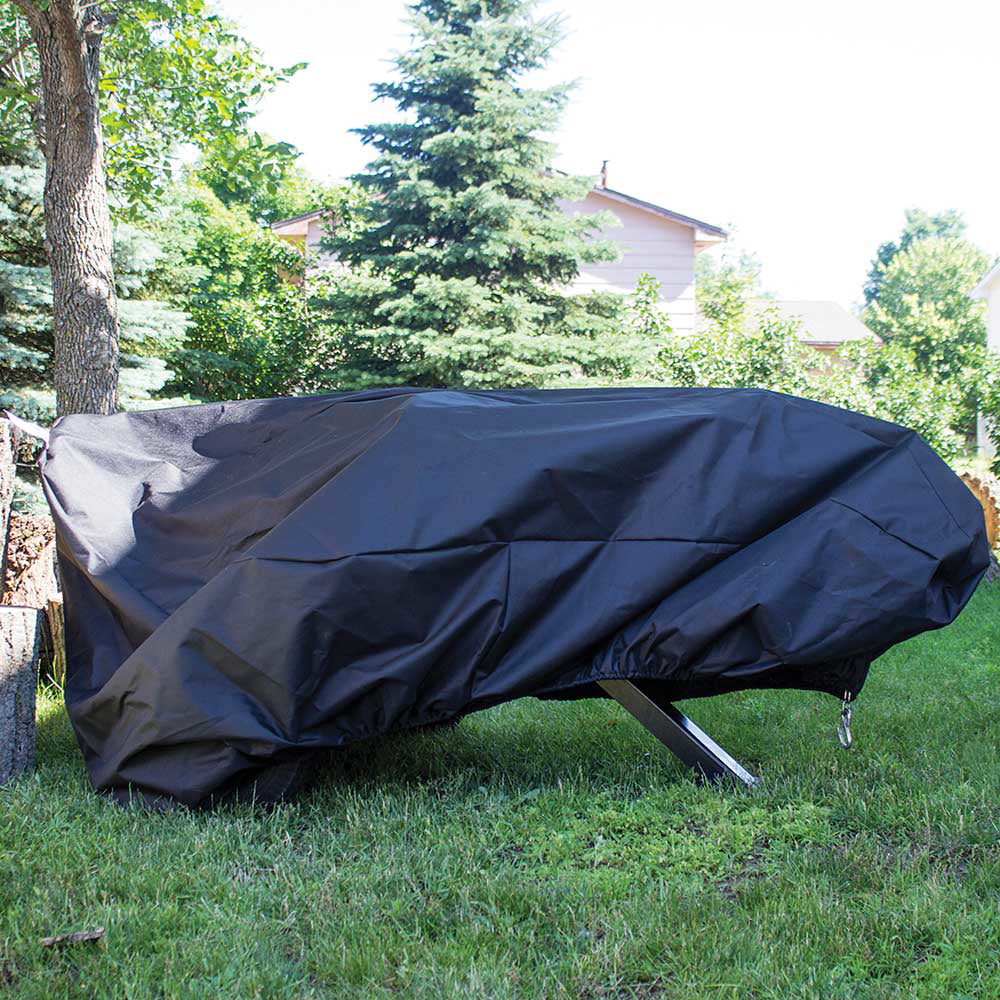
Compatibility should be verified before purchasing any accessory that attaches to, fits over, or operates alongside a splitter. Similar-looking machines can have different beam dimensions, wedge designs, mounting points, clearances, and operating configurations.
Find the Brand and Model Number
Use the splitter's identification label, owner's manual, or purchase records to find its exact manufacturer and model. A brand name alone is usually insufficient because one manufacturer may produce several substantially different splitter designs.
Check Mounting Points and Attachment Style
For wedges, cradles, and work supports, compare the required hardware, mounting locations, and attachment method with the splitter. Do not drill, modify, or bypass guards unless the manufacturer expressly authorizes the procedure.
Confirm Dimensions and Operating Clearance
Review beam dimensions, wedge clearance, ram travel, log capacity, and the space needed around controls and moving parts. For covers, compare the complete stored dimensions rather than relying only on tonnage or power source.
Consider the Operating Position
An accessory that works during horizontal splitting may not be usable when the machine is placed vertically. If the splitter supports both positions, verify how the accessory must be installed, adjusted, or removed before changing orientation.
Verify Host-Machine Requirements
Accessories and attachments for 3-point tractor log splitters or skid steer log splitters require particular care. Confirm the mounting interface, hydraulic flow, pressure, couplers, hitch category, PTO requirements, and other model-specific specifications that apply.
Comparing Popular Log Splitter Accessory Options
Accessory comparisons should focus on the intended job, compatibility, and effect on the complete splitting process. The most useful option is not necessarily the one with the most features; it is the one that addresses the operator's needs without interfering with safe equipment operation.
Standard Wedges Versus Multi-Way Wedges
A standard wedge creates a basic split, while a multi-way wedge may divide suitable rounds into additional pieces per stroke. Multi-way designs can improve output under the right conditions, but they may also require more force and may be less effective with oversized, knotty, or irregular wood.
Log Cradles Versus Work Tables
A cradle generally provides focused support near the beam, while a larger work table can offer more surface area for holding and repositioning wood. Available space, mounting method, wood size, and the splitter's layout should guide the choice.
Fitted Covers Versus General-Purpose Covers
A fitted cover is shaped or sized for particular equipment, while a general-purpose cover may accommodate a broader range of machines. In either case, check dimensions, material, closure design, and clearance around controls and protruding components.
OEM Versus Aftermarket Accessories
Original equipment manufacturer accessories are designed for specified models, while aftermarket products may cover one or more compatible machines. Neither category should be assumed to fit without verification; compare the documented fitment information, specifications, and installation requirements.
Convenience Accessories Versus Productivity Upgrades
Convenience products may simplify storage or handling, while productivity accessories attempt to change how efficiently wood is processed. Evaluate both categories according to the frequency of use, the existing workflow, and whether the improvement justifies the cost.
What Should You Expect to Pay for Log Splitter Accessories?
Log splitter accessory prices vary according to product type, materials, size, construction, compatibility, and manufacturer. Current product listings provide the most useful price comparison because inventory and pricing can change.
Factors That Affect Accessory Cost
A simple protective item may cost less than a large steel work surface or model-specific splitting attachment. Material thickness, mounting hardware, manufacturing complexity, finish, and shipping size can all influence the purchase price.
OEM Versus Aftermarket Value
Price alone does not determine value. Compare documented compatibility, included hardware, installation requirements, construction, warranty information, and the accessory's intended application before choosing between OEM and aftermarket products.
Convenience Versus Productivity Value
A cover primarily protects stored equipment, while a wedge or work support may affect the active splitting workflow. The better value depends on whether the customer's main concern is protection, handling, output, or another recurring need.
When a Higher-Cost Accessory Makes Sense
A more expensive accessory may be worthwhile when it fits correctly, addresses a frequent bottleneck, and receives regular use. Added cost is harder to justify when compatibility is uncertain or the accessory provides little benefit for the operator's wood and workload.


 -15%
-15%
 -15%
-15%
 -9%
-9% -33%
-33%
 -18%
-18%
 -18%
-18%
 -5%
-5%
 -4%
-4%
 -15%
-15% -21%
-21%
 -1%
-1% -17%
-17%
 -19%
-19%
 -42%
-42%
 -3%
-3%
 -24%
-24%
 -22%
-22%
 -7%
-7%
 -1%
-1%
 -43%
-43%

 -20%
-20%


 -40%
-40%
 -50%
-50%
 -22%
-22%
 -7%
-7%
 -9%
-9%
 -20%
-20% -10%
-10%
 -20%
-20%


