What Is a Trencher Used For?
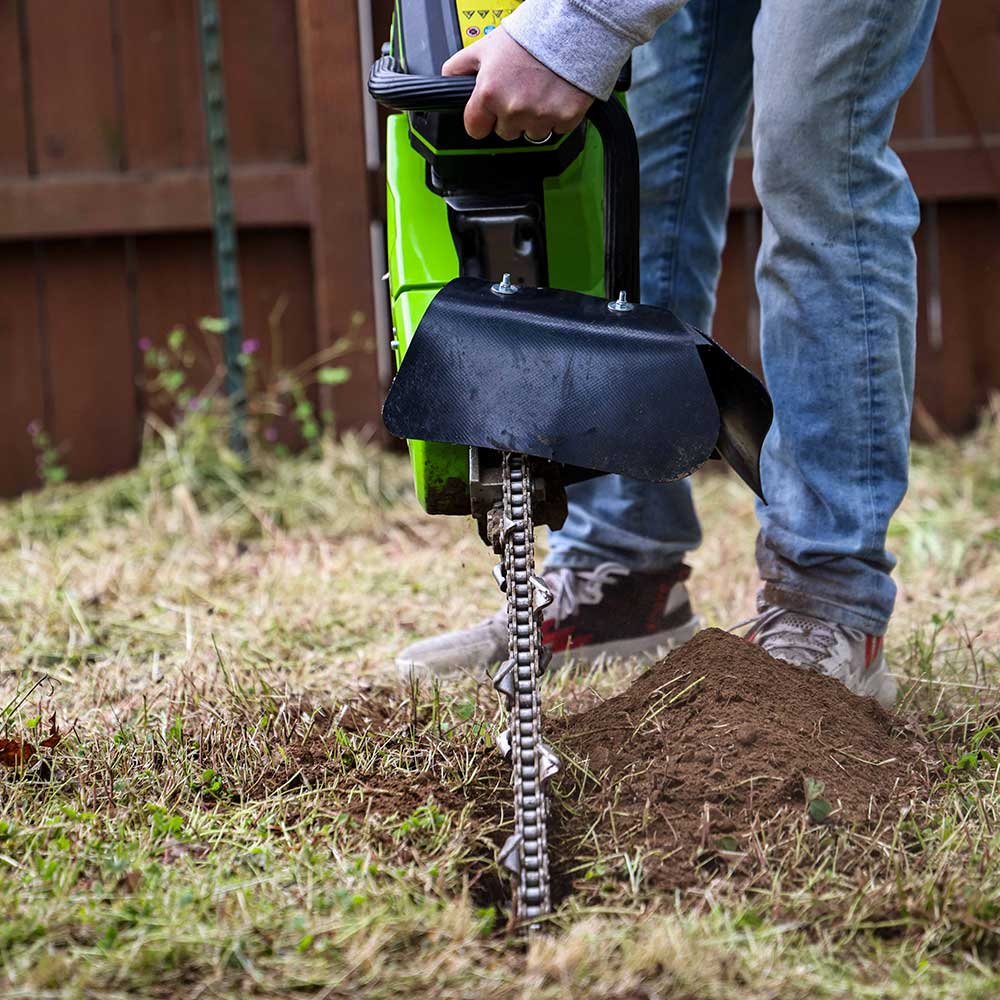
A trencher excavates a continuous, narrow channel in the ground. Matching its digging capabilities to the installation can reduce hand excavation and limit the amount of soil removed compared with digging a wider opening.
What a Trencher Does and How It Works
Chain-type trenchers use cutting teeth on a moving digging chain to loosen soil and bring it out of the trench. Digging depth, cutting width, and operating method depend on the machine. A shallow trencher-edger and a machine designed for deeper installations should not be treated as interchangeable.
Irrigation and Sprinkler Line Installation
Trenchers can create routes for irrigation supply lines and sprinkler piping when their rated depth and width meet the installation requirements. Plan around pipe diameter, fittings, required cover, and the space needed to place the line without forcing it into an undersized channel.
Underground Utility and Drainage Projects
A suitable trencher can excavate a route for certain underground cables, conduits, or drainage lines. Installation depth, separation, bedding, and slope requirements must be established before selecting equipment. A narrow trench is useful only when it accommodates the complete installation, not just the pipe or cable diameter.
How to Choose the Right Trencher
Start with the finished trench requirements, then evaluate the ground and work area. The right machine must reach the required dimensions while remaining practical to operate and transport.
Choose the Required Digging Depth and Width
Compare the required excavation dimensions with each model’s published digging specifications. Maximum digging depth is an equipment limit, not a recommended burial depth. Allow for any specified bedding and installation clearance rather than selecting solely around the outside diameter of the material being buried.
Match the Machine to Soil Conditions
Loose soil, compacted clay, roots, and rocky ground place different demands on digging equipment. Check the manufacturer’s stated applications and limitations; do not assume that additional engine power makes a machine suitable for rock or large roots.
If a stump occupies the planned trench route, assess that obstruction separately. Stump grinders serve a different purpose, and grinding a stump does not establish that the remaining root zone is suitable for trenching.
Check Access, Terrain, and Transport Requirements
Measure gates, passages, and the working space along the proposed route. Compare machine dimensions, operating clearance, weight, and manufacturer limits for slopes or uneven ground. Account for turning and repositioning space as well as the width needed to enter the site.
If you will transport the equipment, compare its weight and dimensions with the payload capacity, loading arrangements, and securement provisions of suitable utility trailers. Confirm the actual machine and trailer specifications before planning a load.
Match Capacity to Project Size and Frequency
An occasional short installation creates different ownership requirements from repeated trenching across multiple properties. Consider total trench length, expected ground conditions, setup time, and maintenance needs. Choose for the work you regularly perform rather than assuming the largest machine offers the best value.
Trencher Features, Chain Options, and Configurations
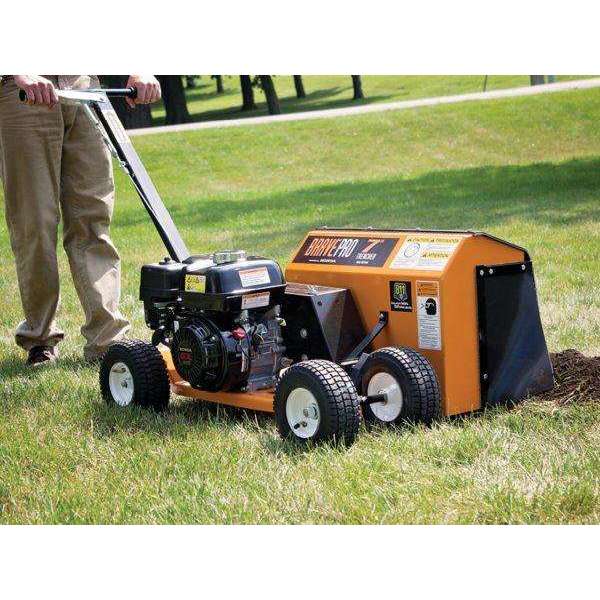
Evaluate trencher features by what they change on the job: digging capability, operator effort, access, and upkeep. Treat every chain, cutting component, and configuration as model-specific.
Engine Power and Digging Performance
Engine output is one part of digging performance. Cutting-system design, chain condition, trench dimensions, and soil resistance also affect progress. Horsepower alone does not establish digging speed or suitability for difficult ground.
Ground Drive, Controls, and Maneuverability
Review how the operator advances, guides, and repositions each machine. Check the listed propulsion method and operating procedure rather than assuming every trencher is self-propelled. Machine balance, control placement, and working clearance can matter as much as overall dimensions.
Chain and Tooth Suitability for the Ground
Check which digging chain and cutting components are supplied and what ground conditions the manufacturer approves them for. Only consider alternative chains or teeth when they are explicitly listed as compatible with the exact model. A different cutting component does not remove the machine’s operating limits.
Available Depth and Width Configurations
Distinguish between an adjustable operating depth and a different digging configuration. A machine may allow depth adjustment without offering interchangeable cutting widths or a longer digging assembly. Use the product listing and manual to confirm what is included and what changes, if any, are supported.
Replacement Parts and Service Access
Before purchasing, identify the maintenance items and wear components associated with the model. Review chain inspection and adjustment procedures, lubrication requirements, and engine servicing instructions. Confirm replacement-part compatibility and availability rather than assuming similar-looking components are interchangeable.
Trencher vs. Mini Excavator, Backhoe, or Hand Digging
Choose excavation equipment around the shape of the opening and the work required inside it. A continuous narrow channel calls for a different approach from a broad excavation or an isolated hole.
Trencher vs. Mini Excavator
A trencher is purpose-built for creating a narrow route. A mini excavator provides bucket excavation for work that may require wider openings, changes in excavation shape, or moving material. Compare the required trench dimensions and access with the capabilities of the specific machines.
Trencher vs. Backhoe
A backhoe can suit projects involving larger excavations or several kinds of digging. A trencher may be a more focused choice when the primary task is a continuous channel that fits its cutting dimensions. Include setup space and the amount of soil that must be handled in the comparison.
Trencher vs. Hand Digging
Hand digging can be practical for short, shallow work or locations where equipment access is restricted. Powered trenching can reduce repetitive excavation along a suitable route, but it does not eliminate layout, utility locating, cleanup, or careful work around existing installations. Follow the applicable utility-exposure requirements near marked services.
When to Choose a Trencher
Choose a trencher when you need a continuous channel within the machine’s rated dimensions and approved ground conditions. For individual planting or fence-post holes, post hole augers address a different excavation shape. For loosening a broad planting area, tillers perform a different task from trench excavation.
Trencher Prices: Buying, Renting, and Ownership Costs
Compare the purchase price with the machine’s suitability for your work and its expected operating costs. A lower initial price offers limited value if the equipment cannot produce the required trench.
What Affects the Purchase Price?
Price differences can reflect digging capacity, engine and drive design, construction, and included equipment. Compare the actual specifications and supplied components rather than treating machines with different capabilities as direct equivalents. Use the current product listings for model pricing.
When Buying Makes More Sense Than Renting
Buying can be practical when trenching is recurring work and having equipment available helps you schedule jobs. Renting may suit an isolated project or work requiring equipment outside your usual needs. Compare local rental charges, transport, expected usage, and ownership expenses without assuming a fixed number of jobs guarantees payback.
Maintenance, Wear Parts, and Ownership Costs
Budget for fuel where applicable, scheduled servicing, digging-component wear, storage, and transport. Abrasive ground and demanding conditions can increase wear. Follow the manufacturer’s maintenance schedule and inspect cutting components rather than continuing to work with damaged or excessively worn parts.
Comparing Value Beyond the Initial Price
Evaluate whether the machine fits your common installations, access constraints, and maintenance capabilities. Include delivery charges, required assembly, and any confirmed additional equipment in the purchase comparison. Long-term value comes from a suitable machine that can be maintained and used effectively.
Compare Trenchers Available at Wood Splitters Direct
Use the trenchers in this collection to compare documented capabilities against your installation requirements. Look beyond the product name to understand the exact machine, supplied equipment, and purchase conditions.
Compare Digging Specifications and Included Equipment
Check maximum digging depth, cutting width, engine information, weight, and overall dimensions wherever listed. Confirm which digging components and other equipment are included. Product photographs can help explain a machine’s layout, but the written specifications should establish its capabilities and supplied contents.
Check Available Configurations and Compatible Parts
Review any listed configurations and confirm that replacement parts match the exact model. Do not assume optional chains, wider cutting assemblies, or other accessories are available unless the product information identifies them. Resolve missing compatibility details before ordering.
Review Warranty Coverage and Parts Support
Compare the published warranty terms, including any distinctions between equipment and engine coverage or between residential and commercial use. Check how replacement parts are identified and how service is arranged. Coverage and support conditions should be evaluated for the individual product.
Confirm Delivery, Unloading, and Assembly Requirements
Review shipping cost, delivery method, product weight, unloading requirements, and assembly information for the selected trencher. Do not assume liftgate service, a particular delivery timeframe, or ready-to-operate assembly is included. Where work will take place near pedestrian or vehicle traffic, consider whether separate safety barricades are needed as part of the site plan.


 -6%

 -7%

 -13%

 -14%

 -10%

 -11%

 -23%

 -7%
 -9%Brave GPR111393

 -3%
 -10%

 -21%
 -14%

 -3%


 -13%

 -10%

 -5%

 -6%

 -1%

 -17%

 -10%


 -5%

 -11%Brave BRPE110H

 -6%

 -11%

 -13%

 -10%


