What Is a Wood Chipper and How Does It Work?
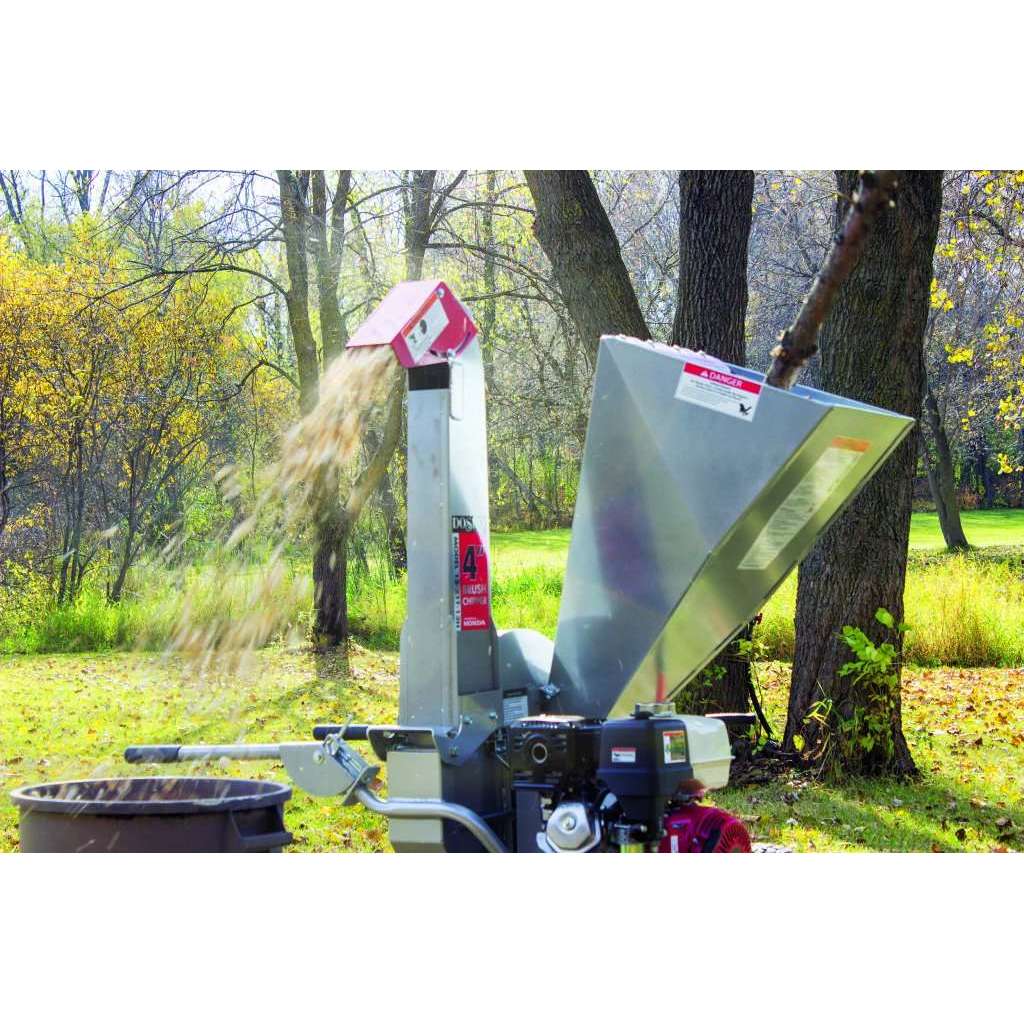
A wood chipper is a powered machine designed to reduce branches, limbs, and other suitable woody material into smaller wood chips. Instead of cutting material into firewood-length sections or leaving piles of brush to handle separately, a chipper processes compatible material through a cutting system and discharges the resulting chips.
What Does a Wood Chipper Do?
Wood chippers are primarily designed to process woody material such as branches and limbs. They are commonly used after pruning, tree removal, storm cleanup, brush clearing, and other property-maintenance work where substantial amounts of woody debris need to be reduced.
The resulting chips take up less space than unprocessed branches and may be easier to collect, transport, or manage. What materials a particular machine can safely process depends on its design and manufacturer specifications.
How Wood Chippers Process Branches
Material is fed through an infeed or hopper toward a powered cutting mechanism. The cutting system reduces suitable branches into chips, which are then directed away from the machine through a discharge chute or opening.
Cutting-system design, feed configuration, engine or motor, chipping capacity, and discharge design vary by model. These differences can have a significant effect on how a chipper fits a particular workload.
What Can You Put Through a Wood Chipper?
Wood chippers are intended primarily for compatible woody material within the machine's rated capacity. Maximum branch diameter and acceptable materials are model-specific, so buyers should check the manufacturer's specifications and operating manual rather than assuming that similarly sized machines can process the same material.
Never exceed the machine's rated capacity or feed materials that the manufacturer does not approve. Proper operation also requires following the manufacturer's instructions regarding guards, feeding procedures, protective equipment, and safe working distances.
Common Uses for Wood Chippers
Typical applications include pruning cleanup, tree and brush maintenance, storm cleanup, landscaping, acreage maintenance, and processing suitable woody debris. A chipper can be especially useful when branches accumulate regularly and reducing their volume is preferable to handling them whole.
Wood chippers also fit naturally into a broader tree-maintenance workflow. For example, chainsaws can be used for appropriate cutting work, while stump grinders address the stump left after a tree is removed.
How to Choose the Right Wood Chipper
Selecting a wood chipper starts with the material you expect to process rather than simply choosing the largest machine available. Branch diameter, workload, power source, mobility, and frequency of use can all influence which configuration makes the most sense.
Start With Maximum Branch Diameter
Chipping capacity is one of the first specifications to compare. Determine the approximate diameter of the larger branches you routinely expect to process, then compare that requirement with each machine's rated maximum capacity.
A machine's maximum rating should not be treated as permission to force oversized or unsuitable material through it. Branch shape, forks, moisture, species, and other characteristics can affect feeding and processing, so always operate within the manufacturer's instructions.
Consider the Volume of Material
Occasional pruning around a residential property presents a different workload from frequent acreage maintenance, landscaping, or larger cleanup projects. Buyers processing substantial amounts of material should evaluate the entire machine—including its feed arrangement, cutting system, power, discharge design, and mobility—rather than focusing on branch diameter alone.
Choose the Right Power Source
Power source affects where a chipper can operate and how it fits into your equipment setup. Depending on the products being compared, shoppers may encounter engine-powered, electric, or equipment-powered configurations. Availability and specifications vary by model.
Compare the actual requirements of each machine with where you intend to work. Access to electrical power, the need to move around a large property, and ownership of compatible power equipment can all affect the decision.
Consider Portability and Property Size
Think about how the chipper will get from storage to the work area and whether it needs to move frequently around the property. Wheels, hitches, towable configurations, dimensions, and machine weight can affect mobility, but these features vary from one model to another.
A hitch or wheels do not automatically make a chipper suitable for towing on public roads. Always verify model-specific towing limitations, transport requirements, and manufacturer instructions.
Match the Chipper to Your Typical Workload
A homeowner cleaning up occasional pruning debris may prioritize different characteristics than an acreage owner, landscaper, or property-maintenance professional processing branches regularly. Compare capacity and productivity with how often you expect to use the machine and the type of material normally encountered.
Wood Chipper Sizes and Chipping Capacity
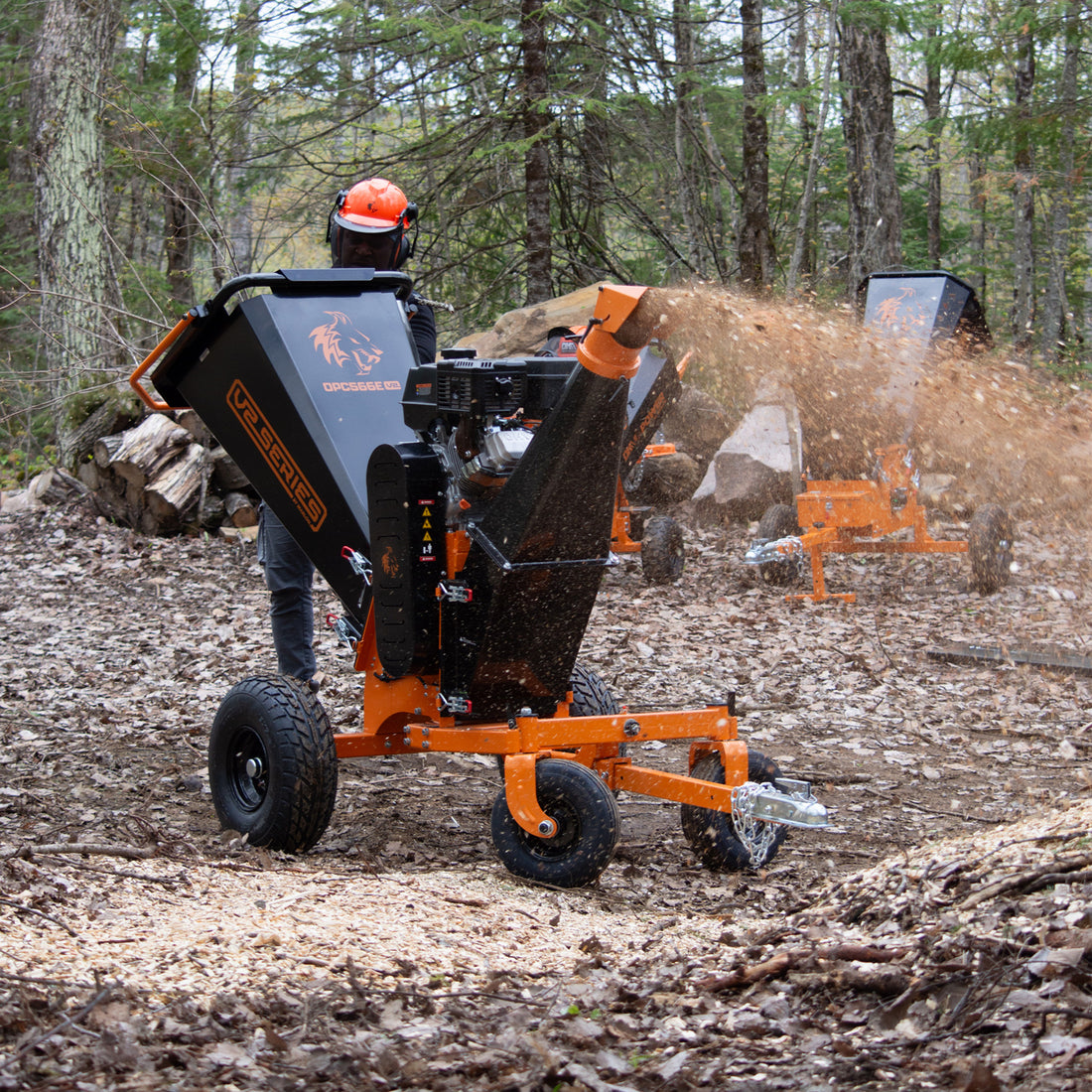
Wood chipper size is commonly evaluated in part by chipping capacity—the maximum branch diameter a particular model is rated to process. Capacity is an important comparison point, but it should be considered alongside the type and volume of material, machine design, and intended workload.
What Does Chipping Capacity Mean?
Chipping capacity generally refers to the maximum diameter of suitable woody material that a machine is rated to accept. Because capacity is model-specific, check the individual product specifications instead of assuming that engine size, physical machine size, or appearance determines maximum branch diameter.
Wood Chippers for Smaller Branches
When most cleanup consists of relatively small branches from routine pruning and property maintenance, a smaller-capacity machine may provide the capability needed without moving to a larger configuration. The important question is whether its rated capacity comfortably matches the material you regularly encounter.
Medium-Capacity Wood Chippers
As branch diameter and cleanup volume increase, shoppers can compare machines with greater rated chipping capacities and configurations designed for more substantial woody material. Feed design, cutting system, power, discharge configuration, and mobility become increasingly useful comparison points as workloads grow.
Larger-Capacity Wood Chippers
Larger-capacity machines may be appropriate when substantial limbs and heavier property-maintenance workloads are common. Buyers should still choose based on actual requirements rather than capacity alone, since a larger machine may involve different storage, transport, operating, and handling considerations.
Choose Capacity for the Material You Actually Process
Consider both your typical branches and the larger material you encounter with reasonable frequency. Buying solely around unusually large branches can lead to more machine than routine work requires, while choosing too little capacity can leave a chipper poorly matched to common cleanup jobs.
Types of Wood Chippers
Wood chippers come in different power and equipment configurations. Understanding these differences helps narrow the collection according to where the machine will operate, how much material it will process, and what supporting equipment or power is available.
Gas Wood Chippers
Gas-powered wood chippers use an engine as their onboard power source, allowing them to work independently of an electrical outlet. They can be useful for properties where branches need to be processed in different locations or where access to electrical power is limited.
Engine specifications, chipping capacity, feed system, mobility, and other features vary by model, so compare individual machines rather than assuming all gas chippers offer the same performance.
Electric Wood Chippers
Electric chippers eliminate the need for gasoline and engine exhaust and may suit certain residential cleanup applications near an appropriate electrical power source. Electrical requirements and chipping capacities vary, making model-specific specifications important when comparing options.
Equipment-Powered Wood Chippers
Some wood chippers are designed to work with compatible tractors or other power equipment rather than relying on a self-contained engine or electric motor. These configurations can make sense for buyers who already own suitable equipment, but compatibility must be verified carefully.
Power requirements, connections, mounting systems, and other compatibility factors are model-specific. Buyers who use tractors for multiple property-maintenance jobs can also explore other tractor attachments suited to compatible equipment.
Towable Wood Chippers
Some larger chippers incorporate towing or transport features that make moving the machine between work areas easier. A towable configuration can be useful for larger properties or users who need to reposition equipment frequently.
Towing capability, maximum towing speed, road-use suitability, hitch requirements, and transport rules vary by model. Never assume that a chipper can be highway-towed simply because it has a hitch or wheeled chassis.
Wood Chippers and Chipper Shredders
Some machines combine branch chipping with additional shredding capability for other approved yard debris. These combination machines can serve a broader cleanup role, but the allowable materials, feed openings, capacity, and operating procedures depend on the specific machine.
Wood Chipper Features and Specifications to Compare
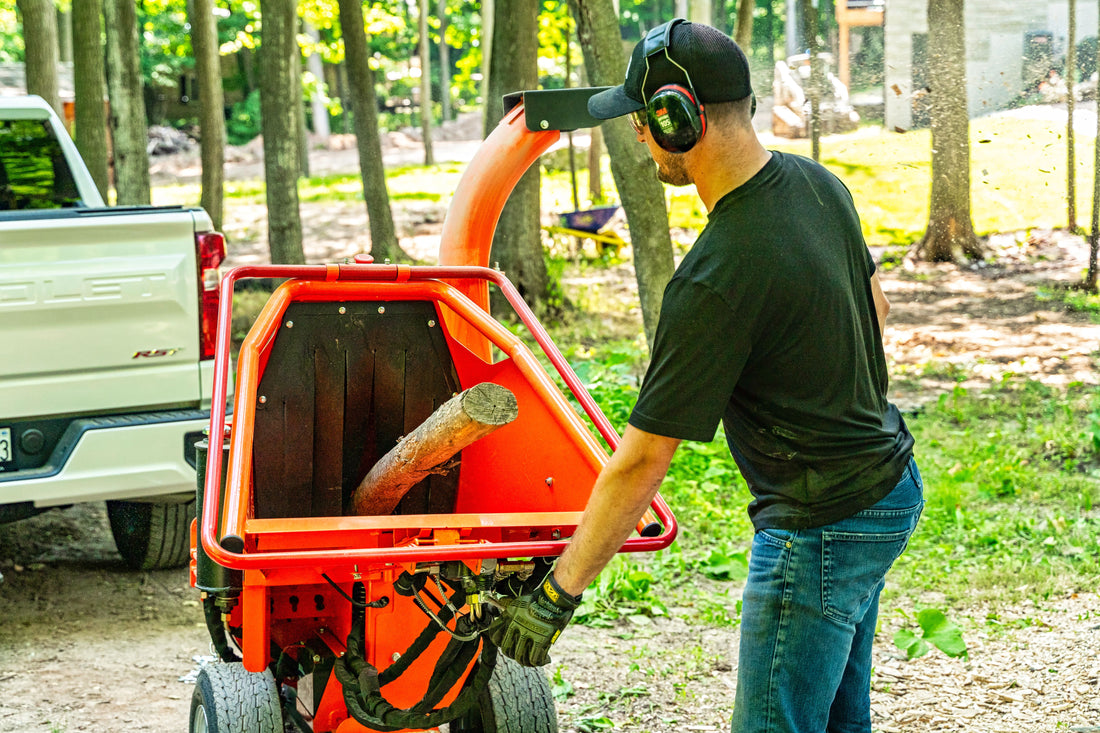
Two wood chippers with similar rated capacities can still differ substantially in design and suitability for a particular job. Looking beyond a single specification helps you compare how each machine feeds, cuts, discharges, moves, and fits into your normal workflow.
Engine or Motor Performance
The machine's power system supplies the cutting mechanism, but engine displacement, horsepower, motor ratings, and other specifications should only be compared using documented information for each model. More power by itself does not determine which chipper is the right choice; capacity and overall machine design also matter.
Chipper Blades and Cutting Systems
The cutting system is central to how a wood chipper processes material. Blade arrangement, cutting mechanism, maintenance procedures, and replacement requirements can differ among machines, so buyers should review product specifications and manufacturer documentation when comparing models.
Feed Hopper Design
The infeed area affects how branches are introduced to the cutting system. Hopper dimensions, feed orientation, and feeding mechanisms vary by machine and can influence workflow when processing piles of branches with different shapes and sizes.
Discharge Chute Design
The discharge system determines where processed chips leave the machine. Depending on the model, chute design and adjustment options may help direct chips toward a collection area or another suitable location. Check individual product specifications for the actual discharge features provided.
Wheels, Hitches, and Portability
For work spread across a property, mobility can be almost as important as processing capacity. Compare machine weight, wheels, handles, hitches, dimensions, and other transport features when available, while keeping model-specific towing restrictions in mind.
Serviceability and Long-Term Ownership
Routine maintenance is part of owning powered equipment. Consider manufacturer maintenance requirements, access to wear components, blade service procedures, and parts availability when comparing machines intended for frequent or long-term use. Buyers managing a broader wood-processing setup may also find firewood racks useful for storing split firewood.
Wood Chippers vs. Chipper Shredders and Other Alternatives
Not every tree or yard cleanup job calls for the same equipment. The best machine category depends on whether you need to reduce branches, handle mixed yard debris, cut standing or fallen wood, remove brush, or deal with a stump after a tree has been cut.
Wood Chipper vs. Chipper Shredder
A wood chipper is primarily associated with reducing compatible branches and woody material into chips. A chipper shredder combines chipping capability with shredding functionality for additional manufacturer-approved materials. If your cleanup is dominated by branches, focus closely on chipping capacity and feed design; if you routinely handle different forms of yard debris, a combination machine may be worth considering.
Branches vs. Leaves and Yard Debris
Woody branches and lightweight yard debris behave differently and may require different processing systems. Do not assume a wood chipper will process every type of organic yard waste. Follow the manufacturer's approved-material guidelines for the specific machine.
Wood Chipper vs. Chainsaw
A chainsaw and wood chipper perform different jobs and can complement one another. A chainsaw cuts wood into sections, while a chipper reduces compatible branches and limbs into smaller chips. For tree cleanup, the appropriate equipment depends on whether the material will become firewood, be chipped, or require additional processing.
Wood Chipper vs. Brush Cutter
Wood chippers process suitable material after it reaches the machine, while brush cutters are intended for cutting and clearing appropriate vegetation. Properties with overgrown areas may require cutting equipment first and separate processing or disposal of the resulting material afterward.
Wood Chipper vs. Log Splitter
These machines serve very different wood-processing purposes. A chipper reduces suitable branches and woody debris into chips, while a log splitter divides larger rounds or sections of wood into manageable pieces, commonly for firewood. Buyers processing firewood can compare gas log splitters and electric log splitters according to their wood, workload, power source, and mobility requirements.
Wood Chipper Cost, Value, and Ownership
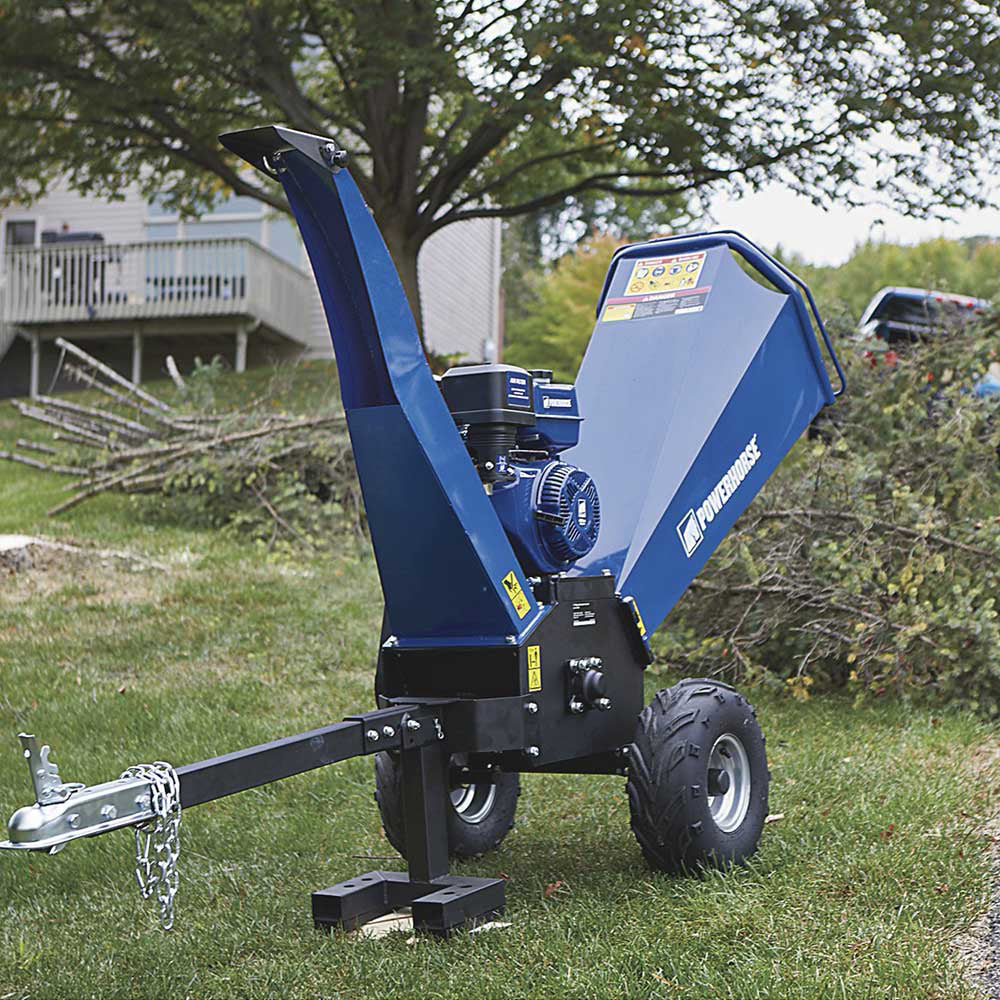
The value of a wood chipper depends on more than its initial purchase price. Capacity, power system, machine configuration, expected workload, maintenance, and how frequently you need to process branches all affect whether a particular machine makes sense over the long term.
What Affects Wood Chipper Prices?
Wood chipper prices can vary with chipping capacity, power source, engine or motor specifications, cutting and feed systems, chassis design, portability features, manufacturer, and other equipment differences. Rather than comparing price alone, compare what each model is designed to process and whether those capabilities match your work.
Capacity, Power, and Features
Greater capacity or additional equipment features can affect purchase price, but paying for capabilities you rarely use may offer little practical benefit. Start with the branch sizes and workload you actually expect, then compare the specifications and features that support those requirements.
Residential vs. Higher-Volume Use
Occasional residential pruning cleanup may justify a different investment than frequent acreage, landscaping, or property-maintenance work. As annual usage increases, productivity, mobility, maintenance access, and overall equipment durability can become increasingly important parts of the buying decision.
Buying vs. Renting a Wood Chipper
Renting can make sense for an isolated cleanup project, particularly when the required machine would otherwise sit unused for long periods. Ownership can be more convenient for recurring pruning, storm cleanup, tree work, or ongoing property maintenance because the equipment is available whenever suitable work arises.
The better value depends on purchase price, local rental costs, frequency of use, transportation, storage, maintenance, and the capacity required. Comparing those factors over the period you expect to use the machine provides a more useful picture than comparing a single rental fee with the purchase price.
Maintenance and Long-Term Ownership
Wood chippers contain cutting components and powered systems that require manufacturer-specified inspection and maintenance. Maintenance needs vary by model and may include attention to blades, the power system, fasteners, feed components, and other wear items described in the owner's manual.
For long-term value, choose a machine that fits your normal workload and follow its maintenance and operating instructions. Proper equipment selection can be more valuable than simply choosing the highest-capacity or lowest-priced option.


 -13%
-13%
 -22%
-22%
 -22%
-22%
 -19%
-19%
 -13%
-13%
 -14%
-14%
 -8%
-8%
 -16%
-16%
 -9%
-9%
 -30%
-30%
 -9%
-9%
 -8%
-8%


 -4%
-4%
 -16%
-16%
 -18%
-18%
 -11%
-11%
 -13%
-13%
 -6%
-6%
 -13%
-13%
 -3%
-3%
 -16%
-16%
 -29%
-29% -12%
-12%
 -14%
-14%
 -11%
-11%
 -13%
-13%
 -17%
-17%
 -19%
-19%
 -8%
-8%
 -5%
-5%
 -4%
-4%


