What Is a 3-Point Log Splitter?
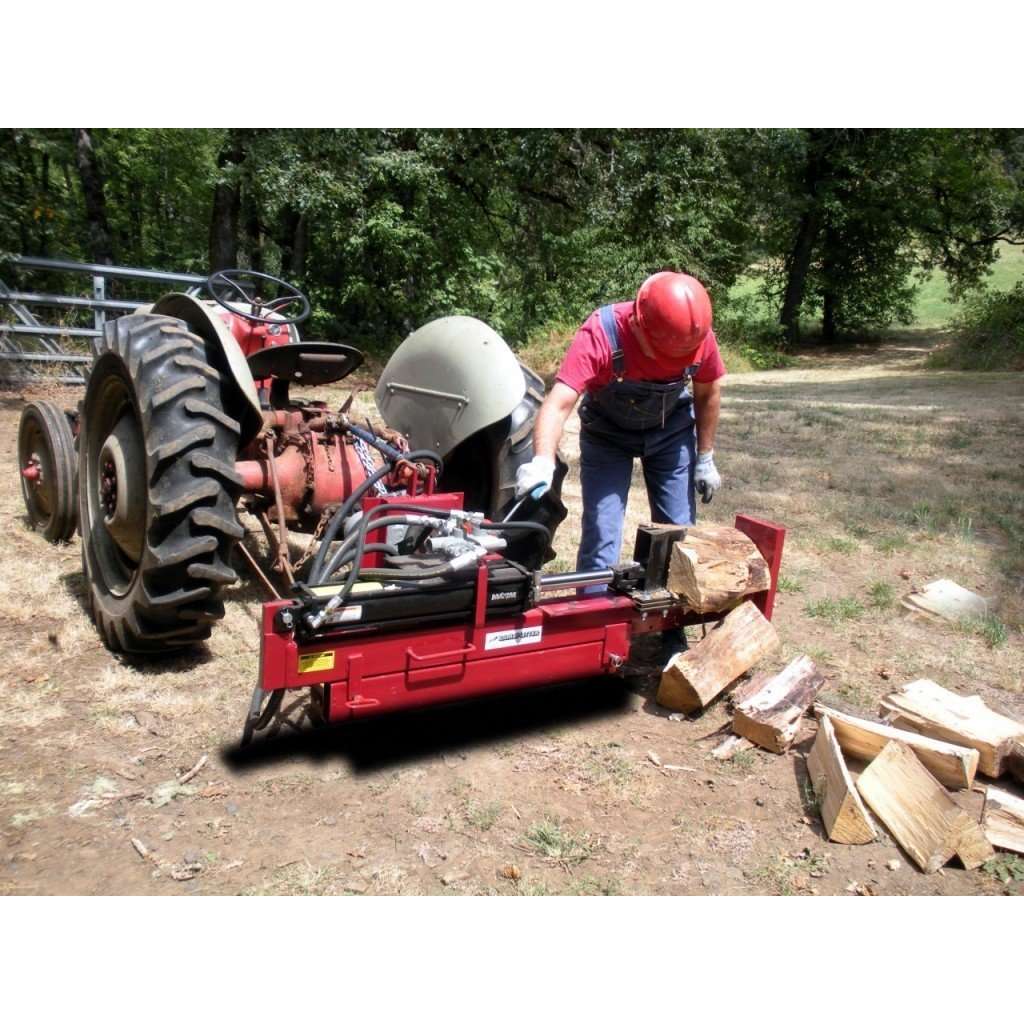
A 3-point log splitter is a tractor-mounted wood splitter designed to connect through a compatible 3-point hitch. Instead of carrying its own gas engine or electric motor, these splitters use a tractor-compatible hydraulic power source, which may be the tractor's hydraulic system, a PTO-powered hydraulic system, or another model-specific configuration.
How a 3-Point Log Splitter Works
Most 3-point tractor log splitters use hydraulic force to move a splitting mechanism through a log or force the log against a wedge. The basic splitting principle is similar to other hydraulic log splitters, but the tractor serves as an important part of the overall power and transport system.
Splitting force, cycle time, maximum log capacity, hydraulic requirements, and operating configuration vary by model. Those specifications should be compared individually rather than assumed across the category.
How the Splitter Connects to a Tractor
The splitter mounts to the tractor through its 3-point hitch system. Hitch category and other mounting requirements are model-specific, so the splitter and tractor must be compatible before the equipment is purchased or operated.
Once attached, the tractor can also make it practical to move the splitter around a farm, acreage, woodlot, or other property where firewood is being processed.
Where the Hydraulic Power Comes From
Depending on the model, a tractor log splitter may operate from the tractor's existing hydraulic system or use a PTO-driven hydraulic arrangement. Hydraulic flow, pressure, connections, and PTO requirements can differ substantially between machines.
For that reason, shoppers should compare the splitter's requirements with the tractor's specifications rather than assuming that any 3-point splitter will operate correctly on any tractor.
Who a Tractor Log Splitter Is Best For
3-point splitters are especially relevant to tractor owners processing firewood on farms, ranches, acreage, forestry properties, and larger residential properties. They can also fit property-maintenance and higher-volume firewood workflows where a compatible tractor is already part of the equipment fleet.
If you are building out equipment for additional property work, our tractor attachments provide other options designed around tractor-based applications.
Why Choose a 3-Point Tractor Log Splitter?
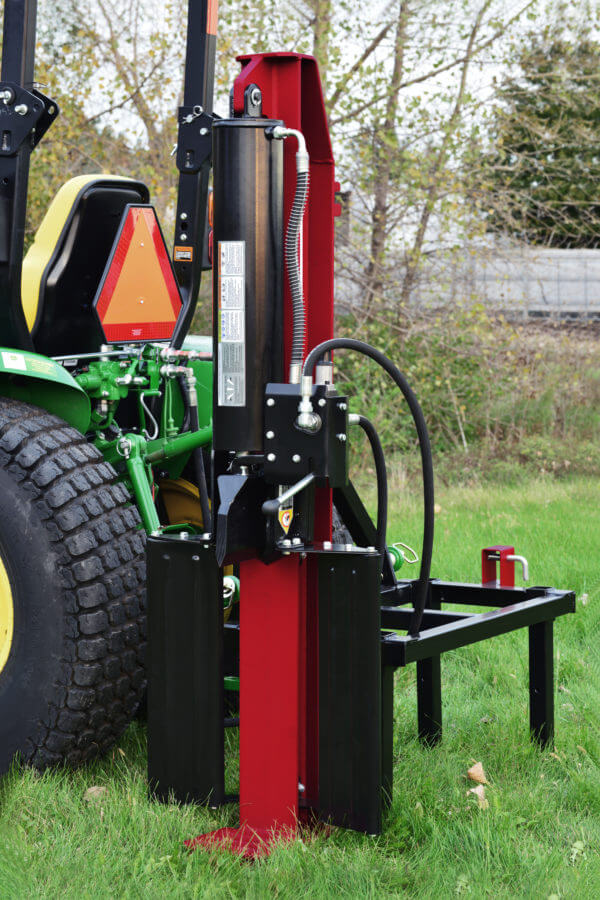
The main advantage of a 3-point tractor log splitter is its ability to integrate wood splitting with equipment you already use. For the right tractor owner, that can provide a practical combination of splitting capability, mobility around the property, and a power system built around the tractor.
Use Your Tractor as Part of the Power System
A conventional standalone splitter needs its own power source. A 3-point splitter instead works with a compatible tractor and, depending on the model, may use tractor hydraulics or a PTO-powered hydraulic configuration.
This can eliminate the need for a separate gasoline engine on the splitter itself, although the tractor and hydraulic system still require their normal maintenance.
Move the Splitter Where the Wood Is
Attaching the splitter to a tractor can make it easier to reposition the machine around a large property. That is useful when logs are located in multiple work areas and bringing all of the unsplit wood to one stationary processing location would be inefficient.
Process Regular or Higher-Volume Firewood Workloads
Tractor-mounted splitters can be well suited to people who regularly process firewood, but productivity depends on more than rated tonnage. Cycle time, hydraulic performance, wedge configuration, log handling, operating position, and operator workflow all influence how efficiently wood can be processed.
Choose a Splitter That Fits Your Existing Equipment
A 3-point splitter makes the most sense when its requirements align with a tractor you already own. Buyers without a suitable tractor may find a self-contained gas log splitter more practical because it does not depend on a tractor for operation.
Tractor Compatibility: 3-Point Hitch, Hydraulics, and PTO
Compatibility should be one of the first considerations when shopping for a 3-point log splitter. A splitter can have the splitting force and features you want but still be the wrong choice if its hitch or hydraulic requirements do not match your tractor.
Check the 3-Point Hitch Category
Verify the hitch category specified for the splitter and compare it with your tractor's 3-point hitch. Category 1 and Category 2 equipment use different dimensional standards, and compatibility should be confirmed for the specific splitter rather than inferred from the term "3-point."
Compare Hydraulic Flow and Pressure Requirements
For splitters powered from tractor hydraulics, compare the model's required hydraulic flow and pressure with the tractor's available hydraulic output. Hydraulic flow can influence operating speed, while sufficient pressure is necessary for the system to develop its intended splitting performance.
Do not assume that a tractor with a 3-point hitch automatically provides the hydraulic performance required by a particular splitter.
Verify Hydraulic Connections and Remote Valves
The hydraulic connection requirements also need to match the tractor. Check the splitter's specifications for required connections and compare them with the tractor's hydraulic system and available remotes before purchasing.
Check PTO Requirements When Applicable
Some configurations use a PTO-driven hydraulic system rather than relying directly on the tractor's hydraulic circuit. If a splitter requires PTO power, verify the PTO and all associated hydraulic-system requirements listed by the manufacturer.
Hydraulic equipment should always be operated within the specified pressure, flow, connection, and operating limits. Buyers comparing separate hydraulic equipment can also browse our hydraulic power packs, although these should not be assumed compatible with a log splitter unless the applicable specifications support the combination.
What to Check Before Buying
Before selecting a tractor log splitter, confirm the hitch category, hydraulic flow and pressure requirements, required connections, and any PTO specifications. Also check the splitter's rated log capacity, splitting force, operating orientation, and other model-specific requirements against the work you plan to do.
How to Choose the Right 3-Point Log Splitter
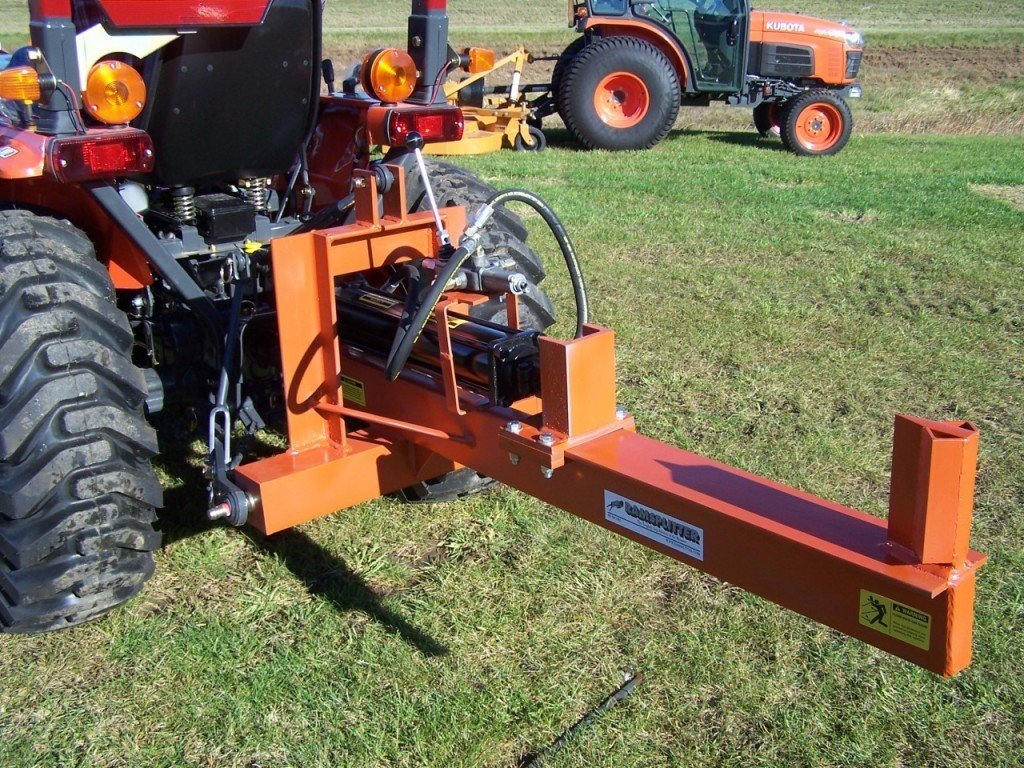
Choosing the right 3-point log splitter requires matching both sides of the equation: the splitter must work with your tractor, and its capabilities must fit the wood you process. Splitting force matters, but so do hydraulic requirements, log size, wood difficulty, cycle time, operating position, and workload.
Match the Splitter to Your Tractor First
Start with compatibility rather than tonnage. Identify your tractor's hitch category, hydraulic capabilities, available connections, and PTO specifications where applicable, then compare those figures with the requirements of each splitter under consideration.
Choose Splitting Force for Your Wood
Log splitters are commonly described by rated splitting force in tons, but higher tonnage is not automatically better. The appropriate force depends on factors including log diameter and length, wood species and density, moisture content, knots, and twisted or irregular grain.
Large, hard, green, knotty, or irregular rounds generally place greater demands on a splitter than smaller, seasoned, straight-grained pieces. Choose capability around the wood you actually expect to process rather than selecting a machine by its tonnage number alone.
Consider Log Capacity
Check each model's maximum rated log length and diameter where those specifications are provided. Capacity varies by machine, so avoid assuming that two splitters with similar tonnage ratings accept the same size logs.
Compare Cycle Time and Productivity
Cycle time becomes increasingly important when processing substantial amounts of firewood. A faster cycle can reduce waiting between splits, but overall productivity also depends on hydraulic performance, wedge configuration, log handling, and how efficiently the operator can load and reposition wood.
Match the Machine to Your Workload
An acreage owner splitting an occasional batch of firewood may prioritize different characteristics than someone processing several cords or regularly handling difficult rounds. Evaluate the complete machine—including capability, productivity, compatibility, and operating layout—rather than choosing solely by the highest specification.
3-Point Log Splitter Features and Options
The features that matter most on a 3-point splitter are the ones that affect compatibility, splitting capability, productivity, and log handling. Available configurations vary by model, so compare the products in this collection individually instead of assuming every feature is standard.
Splitting Tonnage and Hydraulic Performance
Rated splitting force indicates how much force a hydraulic splitter is designed to apply, but it should be evaluated alongside the hydraulic system powering the machine. Tractor hydraulic flow, pressure, cylinder characteristics, and overall system design can affect how a splitter performs.
Horizontal and Vertical Splitting
Some models operate horizontally, while others may support both horizontal and vertical splitting. Horizontal operation provides a working position for logs that can be lifted onto the beam, while vertical operation can be useful with large, heavy rounds that are easier to roll or position than lift.
Always confirm operating orientation on the individual product before purchasing; horizontal/vertical capability is not universal across 3-point log splitters.
Beam, Wedge, and Log Capacity
Beam layout, wedge design, and rated log capacity influence how wood is positioned and processed. Compare these features with the diameter, length, grain, and overall difficulty of the logs you commonly encounter.
PTO and Hydraulic Options
Depending on the splitter, hydraulic power may come from the tractor's hydraulic system, a PTO-powered hydraulic setup, or another specified configuration. The right arrangement depends on both the splitter and the capabilities of the tractor being used.
Accessories and Work-Support Features
Available work-support features and accessories vary by model. When offered for the specific machine, items such as log-support components or alternative wedge configurations can affect workflow and how many pieces are produced per splitting stroke. Browse log splitter accessories for compatible add-ons, but verify fitment before ordering.
3-Point Log Splitters vs. Tow-Behind and Attachment Splitters
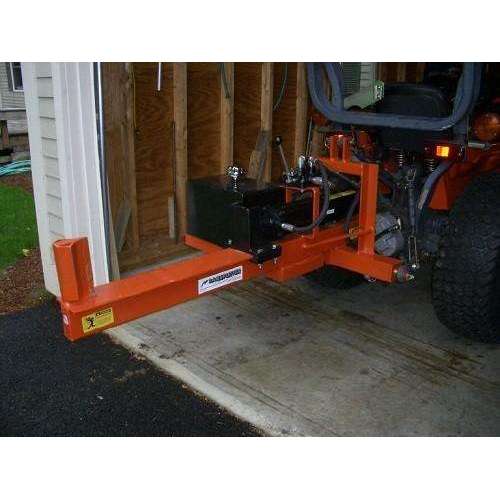
A tractor-mounted splitter is one of several ways to mechanize firewood processing. The better configuration depends on what equipment you already own, where you split wood, how much mobility you need, and the type and volume of wood being processed.
Tractor-Mounted vs. Standalone Power
A 3-point splitter depends on a compatible tractor and hydraulic or PTO configuration. A standalone gas splitter carries its own engine and hydraulic system, allowing it to operate without a tractor. That distinction can be more important than differences in rated tonnage for many buyers.
Mobility Around the Property
A 3-point splitter can travel with the tractor around farms, acreage, and other properties. Standalone splitters may also be portable, but towing capability, towing speed, and public-road suitability are model-specific and should always be verified from the manufacturer's specifications.
Maintenance and Equipment Ownership
A tractor-mounted splitter avoids adding another dedicated gas engine to the equipment fleet, but it still depends on the tractor and hydraulic components being properly maintained. A standalone gas splitter has its own engine and hydraulic system and therefore has its own maintenance requirements.
3-Point vs. Skid Steer Log Splitters
For buyers who already operate skid steers, a skid steer log splitter provides another attachment-based approach. Skid steer compatibility depends on mounting interface, hydraulic flow and pressure, couplers, and standard-flow or high-flow requirements, while a 3-point splitter is selected around tractor hitch and hydraulic or PTO compatibility.
Which Type Fits Your Operation?
A 3-point log splitter is a logical option when you already have a compatible tractor and want splitting equipment that integrates into that tractor-based workflow. A standalone splitter can make more sense when independent power is important, while skid steer attachments suit buyers whose existing equipment and hydraulic system support that configuration.
The goal is not simply to choose the highest-tonnage machine. Compare the equipment you already own, the wood you process, required productivity, mobility, operating configuration, and total purchase and ownership considerations before deciding.


 -4%

 -13%

 -10%

 -3%

 -31%


 -17%


 -10%


 -14%

 -17%

 -11%

 -18%
 -13%
 -6%

 -11%
 -11%

 -11%


